

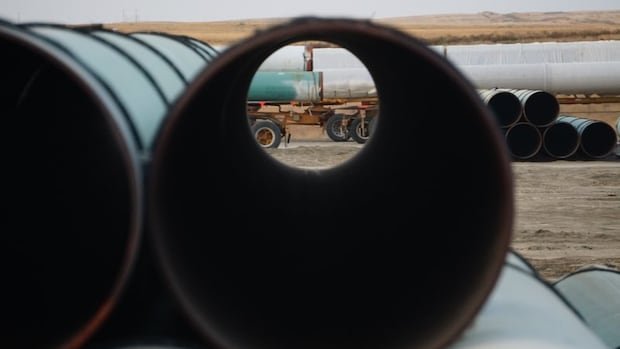

A Canadian company, South Bow, is leading a proposal to revive sections of the Keystone XL oil pipeline, potentially increasing Canada’s crude exports to the U.S. by over 12%. This revival plan would require approval from U.S. President Donald Trump and the construction of additional connections to U.S. refining centers.
The proposed route for the revived pipeline differs from the previous Keystone XL project, which was canceled by former U.S. President Joe Biden in 2021 due to opposition from Indigenous groups and environmental concerns. South Bow, a company established by TC Energy in 2024 to manage its oil pipeline operations, is looking at revitalizing portions of the pipeline already constructed in Alberta, with all necessary Canadian permits in place.
During a conversation with Trump in October, Canadian Prime Minister Mark Carney discussed the potential revival of the pipeline, which could play a role in negotiations surrounding the renewal of the Canada-U.S.-Mexico trade agreement.
Bridger Pipeline, a potential U.S. partner for South Bow, has submitted a proposal to Montana regulators for a 1,038-kilometer pipeline capable of transporting up to 550,000 barrels per day, starting near the U.S.-Canada border in Montana and ending in Wyoming. However, further connections to refining hubs such as Cushing, Patoka, and the U.S. Gulf Coast would be needed as Guernsey, Wyoming is not a primary crude oil market.
Experts suggest that a new pipeline spanning over 680 kilometers from Guernsey to Steele City, Nebraska, could be the most viable configuration, connecting to the existing Keystone mainline system for onward transportation to refining hubs. However, challenges such as obtaining permits and potential environmental litigation could pose obstacles to this segment of the project.
While South Bow and Bridger Pipeline have not provided specific comments on the proposal, leveraging existing infrastructure along the proposed route could facilitate the permitting process. The project faces uncertainties regarding the requirement for a presidential permit for the cross-border segment, with the potential for future administrations to impact its progress.
In addition to environmental concerns, the large-scale pipeline expansion may face resistance from various stakeholders, including environmentalists, landowners, and Indigenous communities. Despite efforts to streamline regulations and permit processes, the project’s multi-year timeline and political implications across administrations could introduce risks.
As South Bow’s proposal unfolds, it competes with other pipeline expansions, including enhancements to the Trans Mountain pipeline and approved projects by Enbridge to increase shipping capacity for Canadian heavy oil to U.S. markets. Investors may raise questions about South Bow’s financial capacity to undertake the new pipeline project while balancing dividends and debt management.
The proposed revival of the Keystone XL pipeline introduces complexities and challenges, amidst a backdrop of competing pipeline expansions and regulatory considerations in the energy sector.