

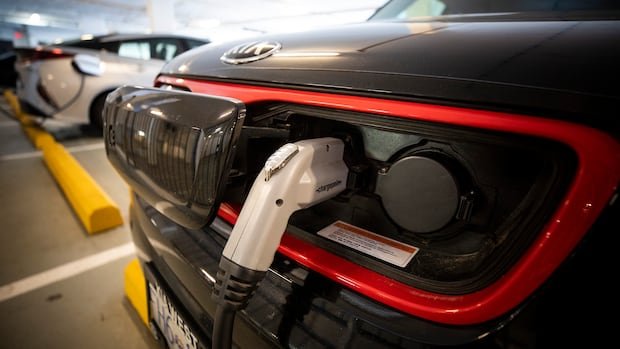

British Columbia has decided to discontinue its electric vehicle rebate program that was put on hold six months ago and is abandoning the requirement for all new vehicles sold in the province to be zero-emission by 2035.
Energy Minister Adrian Dix is transferring the responsibility for setting goals, providing cash incentives, and addressing the high prices of electric vehicles to Ottawa.
Dix mentioned that the previous target of achieving 100% sales and a 90% target by 2030 are no longer feasible and suggested that rebates should fall under federal jurisdiction.
He clarified that the rebate programs were not meant to be permanent and were part of the provincial initiative offering up to $4,000 for buyers of battery-electric vehicles before the pause in May.
Dix informed reporters in Victoria that the NDP government plans to introduce legislation next year to align British Columbia’s mandates with the upcoming targets set by the federal government.
He emphasized the need for targets that are achievable with effort rather than just hopeful expectations, indicating that the new targets are pending completion of reviews under CleanBC and the federal government’s mandates.
Federal officials previously announced a shift in the electric vehicle sales mandate, with Prime Minister Mark Carney postponing the 2026 rollout and initiating a review process.
Dix highlighted the importance of harmonizing British Columbia’s mandate with Ottawa’s to streamline operations and efficiency.
While attributing some blame to Ottawa for imposing tariffs on electric vehicles from China, Dix emphasized the need for federal resolution of the trade tensions.
He stated that the province would focus on enhancing charging infrastructure, aiming to increase the number of public charging stations to 10,000 by 2030.
Additionally, the government plans to implement regulatory changes supporting EV sales, including expanding the range of eligible vehicles for zero-emission credits and introducing programs to improve financing options for EV buyers.
Hon Chan, B.C. Conservative critic for climate solutions, expressed concerns about the achievability of the EV mandates and the potential impact on consumers and car dealers.
Dix’s announcements follow a report by Energy Futures Institute questioning the feasibility of meeting the 90% sales target by 2030 due to various challenges such as affordability issues and gaps in charging infrastructure.
The province initially introduced the zero-emission mandate in 2019 as part of its CleanBC program to reduce emissions by 40% by 2030.