

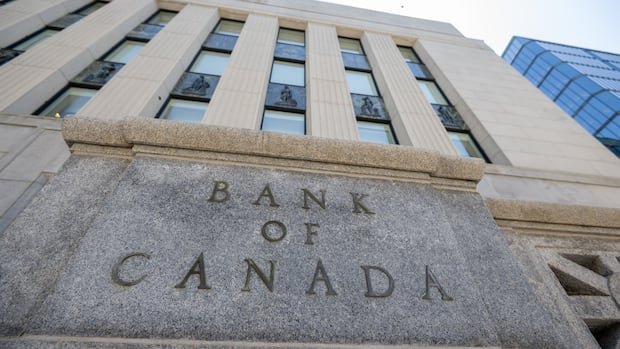

The Bank of Canada has reduced its key interest rates to 2.25 percent, continuing the trend of rate cuts that began in June 2024. Prior to this adjustment, a variety of experts, including economists, mortgage professionals, and financial planners, were consulted by CBC News to discuss the mechanisms of interest rates and the key factors considered during Bank of Canada announcements. Lower interest rates have implications for individuals, small businesses, and the broader Canadian economy.
Interest rates represent the cost of borrowing money for consumers and institutions. When obtaining a loan, a portion of the repayment includes interest. Major commercial banks such as RBC, Scotiabank, TD Bank, CIBC, and BMO utilize prime rates as the base rates for consumer borrowing. These rates are influenced by the Bank of Canada’s overnight interest rate, a tool used to manage inflation.
Lower interest rates can stimulate spending and economic growth by making borrowing more affordable. However, the impact varies across different sectors of the economy, prompting the central bank to balance growth opportunities with inflation risks when setting rates.
In the housing market, lower interest rates can lead to increased home sales as buyers are incentivized by reduced mortgage rates. Homeowners with variable rate mortgages experience immediate relief, while prospective buyers may secure lower fixed mortgage rates. This trend can create a surge in housing market activity and subsequently influence economic conditions.
For small businesses, lower interest rates can free up consumer budgets for increased spending on goods and services, benefiting various sectors within the economy. Despite the positive effects of rate cuts, businesses are cautious due to challenges like labor shortages, rising operating costs, and economic uncertainties.
Regarding personal finances, lower interest rates can lower the cost of borrowing for personal loans and credit cards. However, individuals saving money may receive reduced interest payouts from financial institutions. The impact of rate cuts on personal finances depends on the individual’s asset mix and investment strategies.
Understanding the relationship between interest rates and economic growth is crucial, as rate changes may take time to manifest in the economy. The Bank of Canada’s interest rate decisions serve as indicators of the economy’s trajectory, influencing consumer and business confidence. This influence can shape consumer behavior and business decisions, contributing to the overall economic landscape.