

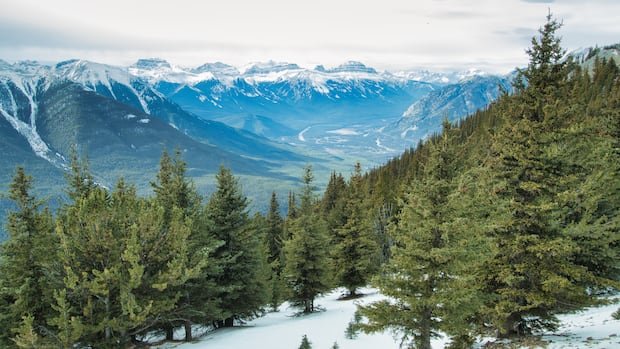

Banff National Park is celebrating its 140th anniversary amid growing challenges to its original purpose. Established on November 25, 1885, as a recreational area, the park has evolved into a conservation leader. However, the increasing number of visitors is straining its resources, prompting Parks Canada to consider new strategies for managing tourism.
According to François Masse, the Parks Canada superintendent for Lake Louise, the park’s founders would be surprised by the current high visitation rates. In the 1880s, reaching Lake Louise was a challenging journey, either by a two-day horseback ride from Banff or a short rail trip. Kate Riordon, an archivist at the Whyte Museum, noted that early park focus was on land use rather than preservation.
In its early years, conservation was not a priority at Banff. Bill Hunt, a former Parks Canada officer, mentioned practices like predator control and introducing non-native fish for fishing. However, Banff has made significant conservation strides since then, with initiatives like wildlife crossings and bison reintroduction.
Despite conservation efforts, visitor numbers have surged, with over four million annual visitors, causing strain, especially in Lake Louise. Masse highlighted a 70% traffic increase in Lake Louise in the past decade. Hunt believes the park is nearing its visitor capacity and suggests implementing measures like timed closures and real-time parking availability updates.
To address overcrowding, Parks Canada is considering visitor limits and adjusting parking capacities. Masse emphasized the need to reduce car numbers and promote mass transit for park access. He noted a changing perception among visitors, recognizing the park’s value as a wild space.
Looking ahead, Masse hopes that ongoing conservation efforts will preserve Banff’s natural beauty for the next 140 years.