

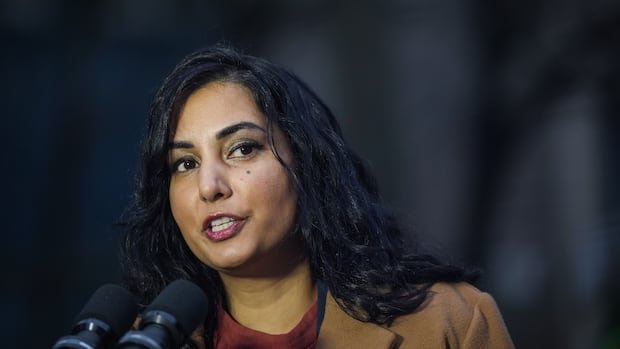

British Columbia’s Attorney General expressed deep concern over a legal challenge filed by the social media company X against a directive to take down a non-consensual intimate image from the internet. Niki Sharma highlighted her dismay at the social media giant contesting a clear order from B.C.’s Civil Resolution Tribunal to remove the image due to a violation of the province’s Intimate Images Protection Act.
X Corp., previously known as Twitter, was instructed by the tribunal to eliminate the image after a transgender complainant from B.C., whose identity remains undisclosed in court records, sought protection under the law earlier this year. The company, in a petition submitted to the B.C. Supreme Court, claimed it promptly complied with the tribunal’s order by restricting access to the offensive image solely in Canada through geo-blocking, not globally.
In September, the tribunal imposed a $100,000 penalty on the company for failing to delete the image worldwide, deeming the action insufficient as it only restricted access within Canada while allowing it to be viewed in other regions. X is contesting the penalty, arguing that a global blocking order would infringe upon the sovereignty of foreign nations and pose a threat to free speech globally.
The company’s petition raised concerns that global blocking orders could potentially empower hostile foreign nations to demand the removal of statements made by Canadian leaders. It warned that if courts in various countries could issue global blocking orders based on their own regulations, it might lead to a scenario where the most restrictive country’s laws dictate internet content worldwide.
X Corp. claimed that such orders would establish a dangerous precedent legitimizing practices of authoritarian regimes that do not prioritize freedom of speech and access to information. In response, the complainant criticized the company’s petition as an abuse of process and a challenge to the tribunal’s lawful directive.
Attorney General Sharma announced that the province would intervene in the case to uphold the intimate images law, emphasizing that under B.C. regulations, such images must be expunged upon order without exceptions. She stressed that merely blocking access within the province’s borders was insufficient, asserting that survivors deserved complete protection, not partial measures.