


From a 4,500-kilometre journey across the Arctic to a convention hall in Whitehorse, activity on Arctic security is gaining momentum.
Delegates from various Arctic regions are currently attending the Arctic Summit in Whitehorse, with a strong emphasis on infrastructure development. Meanwhile, Canadian Rangers and Canadian Forces personnel are embarking on an extensive expedition from Herschel Island to Churchill, Manitoba, prioritizing the journey over infrastructure concerns.
This surge in activity coincides with heightened global interest in the Arctic and the Canadian government’s contemplation of significant investments in Northern infrastructure. The summit’s agenda concentrates on infrastructure beneficial for both civilian and military use, as well as the abundant reserves of critical minerals dispersed across the Canadian North.
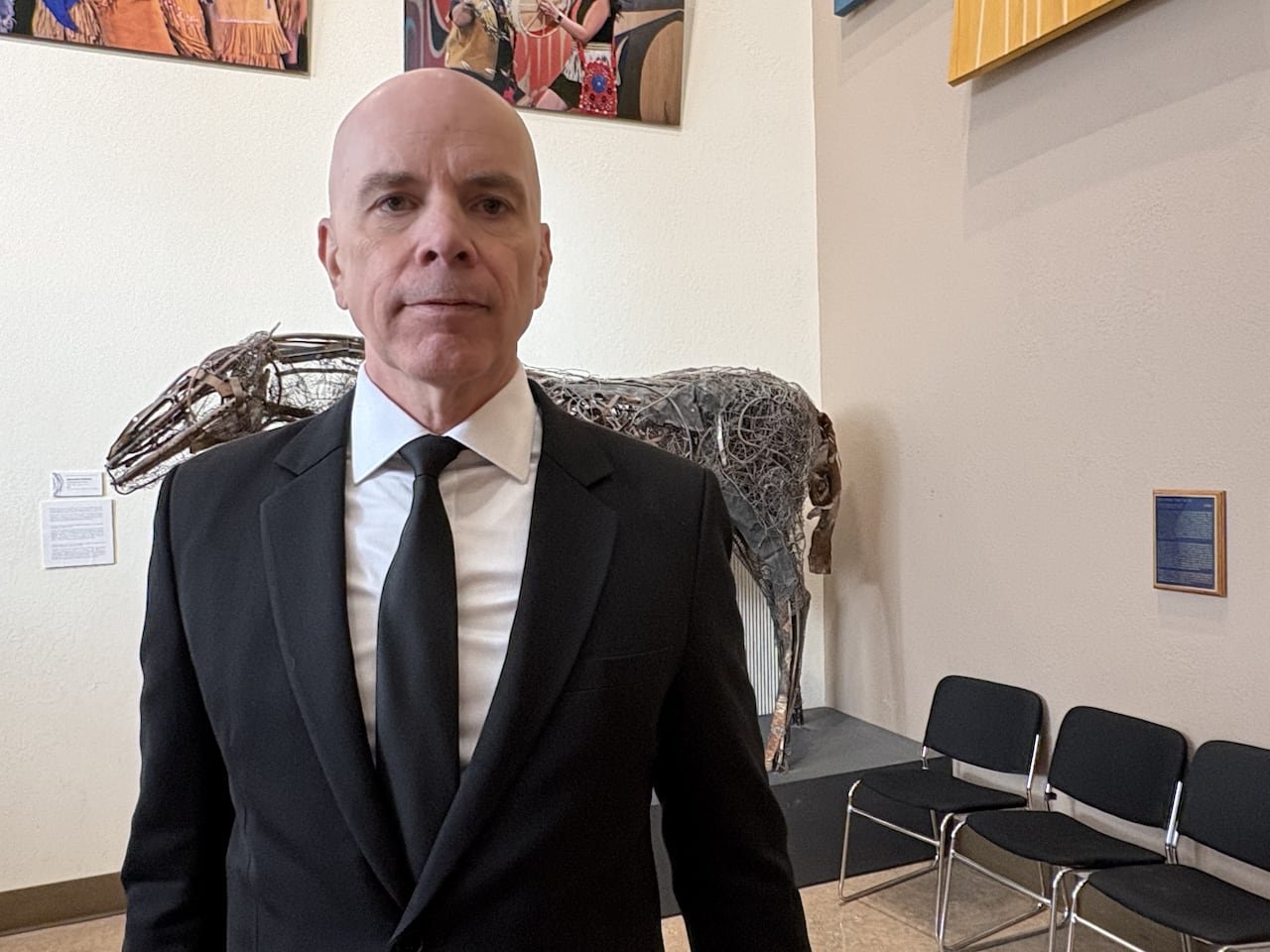
Retired General Wayne Eyre, a former Chief of Defense Staff and one of the summit’s panelists, highlighted that evolving geopolitical dynamics have rendered old assumptions about Arctic security obsolete.
“The Arctic region is becoming increasingly vital on a global scale,” Eyre remarked. “In today’s interconnected security environment, our world is shrinking, and the Arctic is no longer as secure as in the past.”
Despite the vast expanse, the Arctic is not immune to changes. While the summit progresses, Operation Nanook-Nunalivut, one of the largest editions ever, commences across the Arctic territories.
Over 900 kilometers north of Whitehorse, members of the 1st Canadian Ranger Patrol Group faced a three-day halt at Shingle Point due to severe weather conditions. They are currently en route to Churchill, Manitoba, covering over 4,500 kilometers by snowmobile with stops at various communities and North Warning System installations.
Whitney Lackenbauer, an academic and honorary colonel with the Canadian Rangers, mentioned that adverse weather conditions necessitated the pause, emphasizing the essential local knowledge possessed by the Inuvialuit rangers accompanying the patrol.
Master Cpl. Tony Kunuk, a Canadian Ranger from Igloolik, Nunavut, acknowledged the diverse weather patterns and appreciated the opportunity to exchange experiences and histories with fellow rangers during the weather-induced break.
Operation Nanook-Nunalivut is scheduled to run until April, involving various exercises across the Canadian Arctic and engaging approximately 1,300 Canadian personnel, alongside troops from the United States, France, Belgium, and Denmark, with the participation of Parks Canada and the RCMP.
As part of the operation, two M777 howitzers will be test-fired near Cambridge Bay, Nunavut, marking the first time these heavy artillery pieces are deployed north of the 60th parallel. Inclement weather postponed the initial firing, which was rescheduled for a later date.
The Arctic Summit will conclude in Whitehorse on Wednesday.