

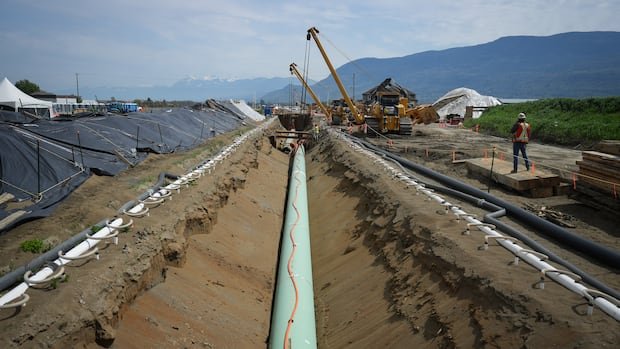

The Metis Settlements of Alberta have expressed interest in acquiring a share in a proposed oil pipeline to the West Coast and are seeking collaboration with First Nations in British Columbia who are against the project. They intend to propose an emergency resolution at the Assembly of First Nations meetings in Ottawa. Dave Lamouche, president of the eight Métis settlements in Alberta, highlighted the potential benefits of a new pipeline for Métis communities in achieving sustainability through revenue-generating partnerships. While emphasizing Alberta’s offer of full partnership, Lamouche acknowledged the valid concerns of Coastal First Nations.
A memorandum of understanding signed by Ottawa and Alberta emphasizes Indigenous co-ownership and economic benefits in any new pipeline project. It also suggests a possible adjustment to the oil tanker ban along the northern B.C. coast to facilitate Alberta’s product export to Asian markets, raising concerns among Indigenous groups. Coastal First Nations have consistently opposed lifting the oil tanker ban. Lamouche aims to engage with Coastal First Nations to explore collaboration for the pipeline project, considering alternatives if necessary.
The proposed pipeline will be a focal point at the Assembly of First Nations Special Chiefs Assembly in Ottawa, coinciding with Prime Minister Mark Carney’s address. B.C. First Nations leaders plan to present an emergency resolution to uphold the oil tanker ban, reflecting widespread concerns about the pipeline proposal among Indigenous leaders nationwide. Teegee, Regional Chief of the B.C. AFN, stressed the importance of obtaining consent for any project that may impact Indigenous rights.
The Metis Settlements of Alberta, having a history of collaboration with the Alberta government, view the MOU as a positive opportunity for Indigenous communities. Lamouche commended Alberta’s collaborative approach, emphasizing the inclusive nature of the partnership model. The settlements are exploring options for funding the project through the Alberta Indigenous Opportunities Corporation to support infrastructure development in Métis communities.
Alberta Indigenous Relations Minister Rajan Sawhney is actively engaging with Indigenous communities, including Lamouche, on the pipeline initiative. Sawhney highlighted the government’s commitment to fostering strong, mutually beneficial relationships with Indigenous groups. The government aims to support Indigenous communities through partnerships that promote economic opportunities and long-term prosperity.
Overall, the proposed pipeline project has sparked intense discussions and varying perspectives among Indigenous groups and government stakeholders, reflecting the complex dynamics surrounding energy development and Indigenous rights in Canada.