

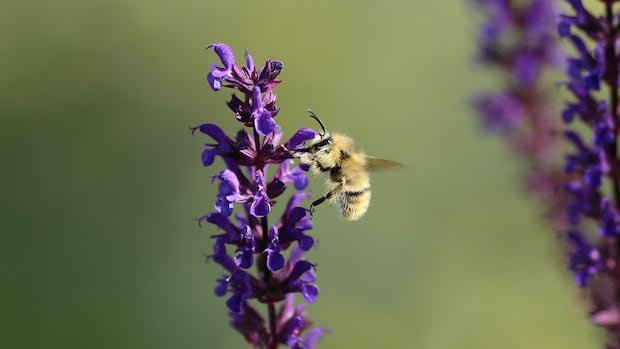

In a recent interview with Jo Wimpenny, a zoologist, the discussion centered on our perceptions and interactions with insects. Often driven by fear and misconceptions, our reactions to insects are deeply ingrained. As summer brings people back to outdoor spaces, experts emphasize the vital role insects play in ecosystems and the need to shift from fear to appreciation.
Children, initially curious about insects, tend to develop fear between the ages of four and eight, influenced by adults and media portrayals. Jo Wimpenny highlights the importance of avoiding simplistic categorizations of insects as either good or bad. Such attitudes overlook the diverse and essential roles insects play in maintaining ecological balance.
Despite the critical functions insects serve, a 2019 global analysis revealed that over 40% of insect species are declining and one-third are endangered. This decline is exacerbated by factors like habitat loss, climate change, and excessive insecticide use. Jo Wimpenny stresses the importance of understanding and valuing the contributions of insects beyond mere categorizations.
Grant Minkhorst, a gardener, exemplifies the benefits of companion planting in maintaining a natural balance in his garden. By fostering symbiotic relationships between plants and insects, he minimizes the need for pesticides and allows beneficial insects to thrive. This approach highlights the potential for coexistence with insects by viewing them as allies rather than adversaries.
While addressing invasive insect species poses challenges, experts caution against indiscriminate insecticide use that may harm beneficial native species. Adopting a more holistic and environmentally conscious approach to pest management can help preserve biodiversity and promote healthier ecosystems. It is crucial to strike a balance between protecting crops and safeguarding insect populations.
In conclusion, fostering a deeper connection with insects involves reframing our perspectives and behaviors towards them. By acknowledging the intricate roles insects play in nature and practicing sustainable gardening methods, individuals can contribute to preserving insect diversity and promoting ecological harmony. Embracing a more nuanced understanding of insects as essential partners in the ecosystem is key to fostering a harmonious coexistence with these often misunderstood creatures.