

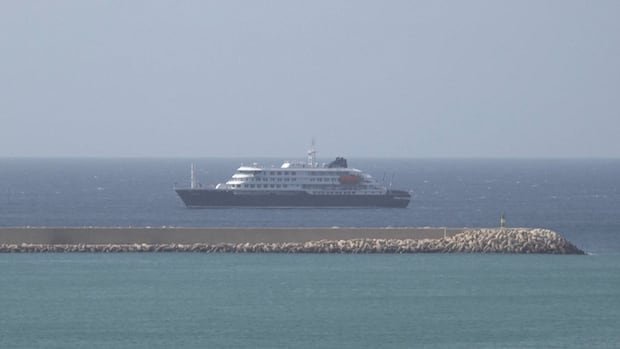

The World Health Organization reported on Monday that by May 4, seven cases of hantavirus were confirmed following a suspected outbreak on a high-end cruise ship off the coast of West Africa, primarily carrying British, American, and Spanish passengers.
WHO stated that among the identified cases, there were two laboratory-confirmed instances of hantavirus and five suspected cases, resulting in three fatalities, one critically ill individual, and three with mild symptoms.
About 150 people, including four Canadians, remained stranded on the ship after three deaths, including a Dutch couple and a German national, with additional passengers falling ill. A British passenger who left the vessel was receiving medical care in South Africa.
Global Affairs Canada mentioned that Canadian officials had been in contact with local authorities and had not received reports of any affected Canadian passengers.
Hantavirus, which can lead to severe respiratory illness, is typically transmitted through airborne particles from rodent droppings or urine and does not easily spread among humans. Treatment focuses on supportive care as there are no specific drugs available.
The World Health Organization reassured the public that the risk of widespread transmission was low, advising against panic or travel restrictions. However, Cape Verdean authorities prevented the Dutch-flagged MV Hondius from docking as a precautionary measure.
A passenger on the ship, Jake Rosmarin, expressed the uncertainty and challenges faced by those onboard in an emotional Instagram video.
The operator of the ship, Oceanwide Expeditions, was exploring options to screen and disembark passengers at Las Palmas and Tenerife islands. Strict preventive measures were being implemented onboard, including arrangements for crew members showing symptoms and the deceased.
The expedition began in Argentina in March and traveled through various locations before reaching Cape Verdean waters. The cause of the outbreak and source of the virus remain unclear, with speculation ranging from rodents onboard to potential exposure during stops in South America.
Health experts believe that multiple infections likely stemmed from a single source, possibly a rodent, emphasizing the need for thorough investigation onboard the ship. While person-to-person transmission is feasible, it is limited and more likely through bodily fluids than airborne particles.
The incubation period for hantavirus ranges from one to eight weeks, suggesting that affected passengers might have been exposed before the cruise. Evidence of human-to-human transmission exists for specific hantavirus strains found in South America.
Despite the concerning situation, experts are optimistic that the outbreak will not escalate into a significant public health crisis.