

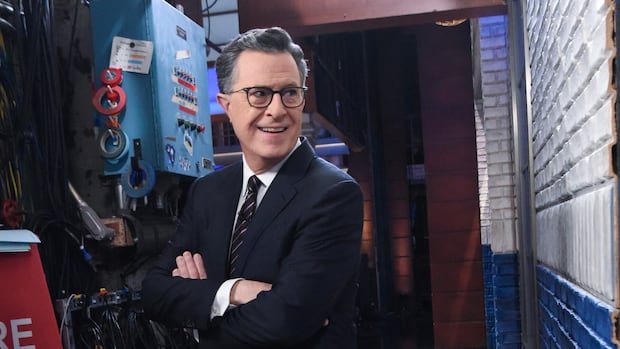

“Stephen Colbert is coming to you from the Ed Sullivan Theater in New York City!”
These familiar words will ring out for the final time tonight.
After an impressive 11-season run, The Late Show with Stephen Colbert is bidding farewell, marking the end of an era defined by Colbert’s engaging monologues, star-studded interviews, and sharp political satire.
Last July, Colbert informed his audience that CBS had decided to end the show when his contract expires. Paramount and CBS officials clarified that the decision to cancel the show was primarily due to financial considerations amidst a challenging late-night landscape and was not linked to the show’s performance or content.
Interestingly, the announcement came shortly after Colbert criticized Paramount Global, CBS’s parent company, for resolving a legal dispute with former U.S. President Donald Trump related to a 60 Minutes segment.
Observers in the industry predict that Colbert’s departure will create a significant void in the late-night lineup. However, they acknowledge that the format must adapt to thrive in the streaming era, a transition that might already be in progress.
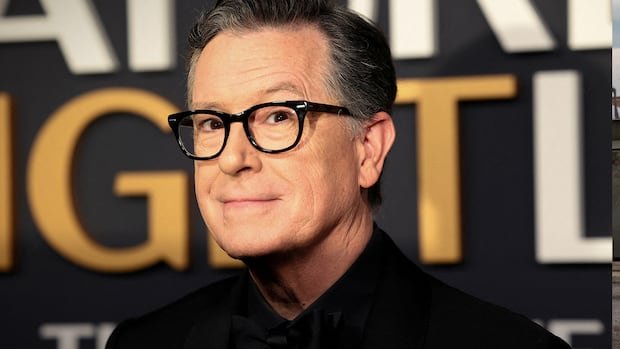
Speculation arises on whether the cancellation of Stephen Colbert’s Late Show was politically driven or solely based on financial factors. Colbert hinted at a potential ‘bribe’ connected to a Trump lawsuit and a corporate agreement.
Reflecting American society
When Colbert assumed the helm of the Late Show from the retiring David Letterman in 2015, he brought a distinctive perspective to late-night television, drawing on his improvisational skills and experience from The Daily Show and The Colbert Report.
Eric Deggans, NPR’s critic at large, praised Colbert’s ability to hold a mirror to American society, political establishments, and media outlets. Deggans expressed disappointment that the show’s conclusion was dictated by a business agreement rather than Colbert’s own terms.