

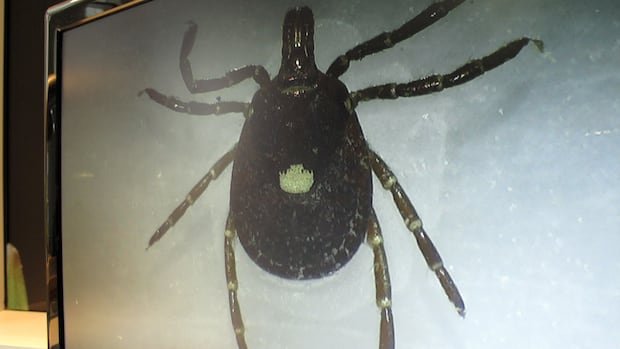

A warning has been issued by experts that Canadians should be prepared for a gradual incursion from the United States, as various types of ticks carrying harmful pathogens are seeking to establish themselves in Canada. The Government of Canada reports that there are currently over 40 tick species present in the country. The most familiar one is the blacklegged tick, also known as the deer tick, which transmits the bacteria responsible for Lyme disease. Symptoms include fever, fatigue, and a distinctive “bull’s-eye” rash, with potential complications affecting the joints, heart, and nervous system if left untreated.
Nicoletta Faraone, overseeing the newly launched Canadian Tick Research and Innovation Centre at Acadia University in Wolfville, Nova Scotia, emphasizes the necessity to comprehend, prevent, and manage ticks and the diseases they carry. She emphasizes the public’s heightened concerns about tick-borne illnesses, highlighting the absence of a Lyme vaccine and the multiple pathogens carried by ticks.
According to scientists, various tick species carrying dangerous pathogens are gradually migrating from the northern United States towards Canada, advancing at approximately 50 kilometers per year. Although some have been sighted, they have not yet firmly established themselves in Nova Scotia. Of particular worry is the lone star tick, capable of transmitting a pathogen triggering a severe meat allergy in bitten individuals.
The lone star tick has already firmly settled in Maine, where Patty O’Brien-Carrier, a keen gardener in Harpswell, suffered a meat allergy and went into anaphylactic shock after being bitten by one. To enhance understanding, the Acadia research facility is currently studying ticks within a secure environment, including the lone star tick, and observing their behaviors and pathogen transmission for better preparedness.
Furthermore, the Asian long-horned tick, posing a threat to Nova Scotia, can cause anemia in cattle and potential fatalities if untreated. Farmers like Tim Marsh in Poplar Grove are taking precautions such as inspecting fences and clearing tall grass to avoid tick infestations, recognizing the evolving risks in agriculture.
Faraone stresses the importance of developing more tick-repelling products, particularly for rare tick-borne diseases like the Powassan virus carried by blacklegged ticks, which currently lack treatment options. Simple preventive measures such as tucking in pant legs and conducting regular tick checks outdoors are also crucial.
In conclusion, as ticks carrying harmful pathogens continue to migrate, ongoing research and vigilance are essential to mitigate the risks posed to public health and agriculture in Canada.