

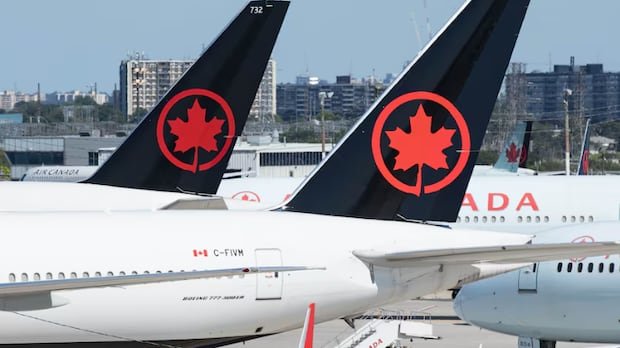

Air travel is being significantly affected by the rising prices of aviation fuel. Air Canada recently announced that due to the current high cost of jet fuel, it is suspending service earlier than scheduled on four seasonal routes to U.S. destinations. The impacted routes include Toronto to Sacramento, Vancouver to Raleigh, Toronto to Charleston, and Montreal to Austin, with the last flights scheduled on various dates in August and September.
Air Canada intends to resume full service on these routes in the summer of 2027, providing affected passengers with alternative travel options or refunds as necessary. This decision comes amidst a global trend of airlines reducing flight operations in response to escalating jet fuel prices triggered by the conflict in Iran and the resulting oil blockade in the Strait of Hormuz, leading to a more than twofold increase in fuel costs.
In the previous month, Air Canada had disclosed plans to suspend six domestic and cross-border routes that were deemed economically unviable. Similarly, WestJet also announced a reduction in flight capacity by approximately one percent in April, three percent in May, and nearly six percent in June through flight consolidations and adjustments to seasonal service duration.
The jet fuel shortage has not only impacted flight schedules but also airfares, prompting Air Canada, WestJet, Porter Airlines, and Air Transat to announce fare increases or surcharges to offset the surging operating costs. This move reflects the challenges faced by airlines in navigating the current fuel cost crisis and its ramifications on the aviation industry.