


U.S. President Donald Trump is unsatisfied with the latest Iranian proposal to resolve the ongoing conflict, as per a U.S. official. This development has dimmed hopes for a speedy resolution to the war, which has disrupted energy supply chains, led to inflation spikes, and resulted in numerous casualties.
The most recent Iranian proposal suggests putting discussions about Iran’s nuclear program on hold until the conflict concludes and disputes over Gulf shipping are settled. However, the U.S. insists that nuclear issues should be addressed from the beginning, causing Trump’s dissatisfaction with Iran’s proposal.
The White House has emphasized that negotiations will not be conducted through the media and has reiterated its red lines in the process of seeking an end to the conflict initiated in February by the Trump administration in collaboration with Israel.
In 2015, a prior agreement involving Iran and several other nations, including the U.S., significantly restricted Iran’s nuclear activities, which the country claims are for peaceful purposes. However, the deal collapsed when Trump unilaterally withdrew from it during his first term.
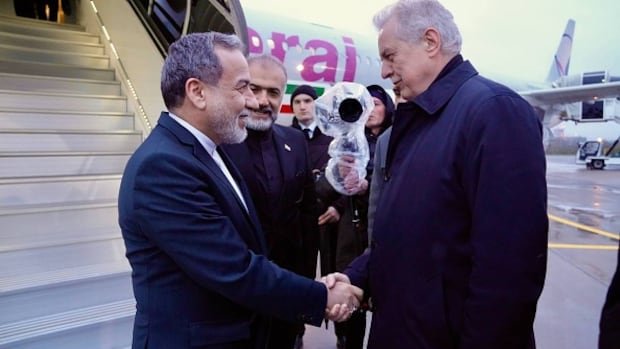
Efforts to revive peace talks have suffered setbacks since Trump canceled a scheduled visit by his envoy Steve Witkoff and son-in-law Jared Kushner to Islamabad, where Iranian Foreign Minister Abbas Araghchi engaged in discussions over the weekend. Araghchi also visited Oman and Russia, where he received support from President Vladimir Putin.
As the conflicting parties remain at odds, oil prices have resumed their upward trend, continuing to rise in early Asian trading on Tuesday. The physical flow of crude oil through the Strait of Hormuz is now of greater importance to oil traders than mere rhetoric, with the ongoing constraints affecting the market.
Recent data shows that at least six tankers loaded with Iranian oil have been turned away by the U.S. blockade, underscoring the impact of the war on maritime traffic. Trump convened with his national security team on Monday morning, further signaling the seriousness of the situation.
Iranian sources revealed that the proposal brought by Araghchi to Islamabad envisions a phased approach to talks, with initial focus on ending the U.S.-Israeli conflict on Iran and preventing its resurgence. Subsequent negotiations would address issues such as the U.S. blockade and the status of the Strait of Hormuz.
In light of the lack of face-to-face meetings scheduled, streets in Islamabad, which had been closed in anticipation of talks, have reopened. Negotiations are said to be ongoing remotely, with plans for an in-person meeting contingent on reaching a close agreement.
Despite a ceasefire pausing U.S.-Israeli military actions against Iran since February, a comprehensive agreement to end the conflict has yet to be reached. Iran’s blockade of shipping through the Strait of Hormuz and the U.S. blockade of Iranian vessels have added to the complexities of the situation.
With Trump facing declining approval ratings and mounting domestic pressure to end the unpopular war, Iran has leveraged its control over the strait, a crucial route for global oil shipments. The conflict in Lebanon has also escalated, with Israeli strikes causing casualties, leading to further complexities in the region’s dynamics.
Iran has insisted on a ceasefire in Lebanon as a precondition for broader talks on the conflict. The conflict between Israel and Hezbollah in Lebanon, intertwined with the broader regional tensions, remains a significant hurdle to achieving lasting peace in the region.