

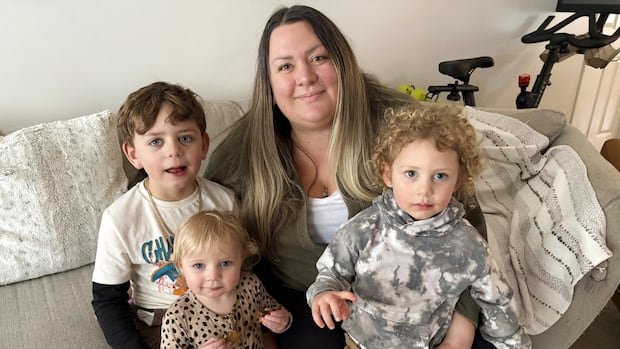

Limited access to rural maternal care is prompting a trend toward alternatives, with more women considering “freebirthing” as an option. This practice involves giving birth without medical assistance, including prenatal testing and fetal monitoring, and has gained traction among women seeking autonomy in their birthing experiences.
Sarah Essiambre, a mother with a history of high-risk pregnancies, decided to pursue freebirthing after feeling disheartened by past medicalized births. Influenced by freebirthing advocates promoting self-empowerment and choice in childbirth, she wanted to reclaim control over her birthing process.
While some physicians express concerns about the risks associated with freebirthing, others acknowledge that the rise in this practice reflects a failure in the medical system to adequately address expectant mothers’ needs and preferences. Dr. Lynn Murphy-Kaulbeck, a seasoned obstetrician, emphasizes the importance of having medical professionals present during childbirth to handle potential complications effectively.
The ongoing mistrust in traditional medical practices, exacerbated by the pandemic, has led to more women opting for freebirthing. However, the lack of comprehensive data makes it challenging to gauge the prevalence of this trend and address its implications effectively.
Furthermore, the shortage of maternity care providers, especially in rural areas like British Columbia, has forced some women, like Jaclyn Neufeld, to resort to freebirthing due to limited access to midwives and hospitals. Neufeld, living in a remote location, believes that improving access to midwifery services and maintaining open maternity care units are crucial steps toward enhancing maternal health outcomes.
While freebirthing may offer a sense of autonomy and comfort to some women, healthcare professionals like Dr. Shiraz Moola emphasize the potential dangers, such as severe hemorrhaging and stillbirths, associated with unassisted deliveries. Dr. Moola highlights the importance of having medical expertise available during childbirth to address unforeseen complications effectively.
Ultimately, the debate surrounding freebirthing underscores the complex interplay between maternal autonomy, healthcare access, and patient safety in the context of evolving birthing practices. Efforts to bridge gaps in maternity care services and foster trust between patients and medical providers remain essential in ensuring safe and supported childbirth experiences.