

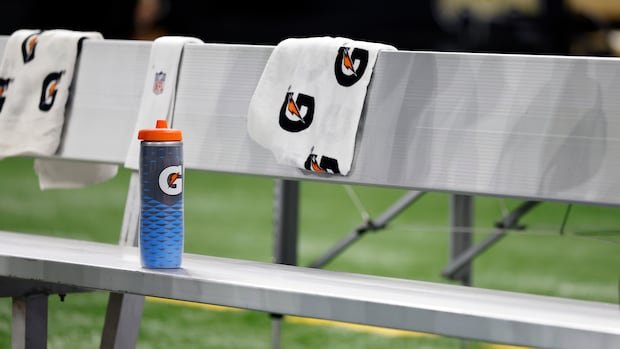

Gatorade, the pioneer of sports drinks for over six decades, is shifting its focus away from exclusively targeting athletes. PepsiCo, the parent company of Gatorade, announced its intention to expand the brand’s appeal to non-athletes seeking hydration solutions for various activities like travel, leisure walks, or even recovering from a hangover. The new packaging emphasizes the unique benefits of Gatorade’s drinks and powders along with the scientific research backing them.
This strategic shift aligns with the growing trend among American consumers towards beverages offering perceived health advantages. Research by Mintel’s food and drink analyst, Jack Doggett, reveals that 60% of sports drink buyers are not athletes but seek the functional components such as electrolytes for hydration and carbohydrates for energy.
Doggett noted a shift towards utilizing these drinks for overall wellness and daily upkeep, indicating that both younger and older generations are turning to sports drinks for hydration needs. Sales of sports drink mixes surged by nearly 20% in the past year, outpacing the stagnant growth in bottled water sales during the same period, according to Circana, a market research firm.
With the burgeoning interest in sports and hydration products, the market has witnessed an influx of new brands vying for shelf space. PepsiCo’s U.S. beverages president, Mike Del Pozzo, highlighted the entry of 150 new brands into the sector in recent years, intensifying competition and necessitating a focus on credibility and innovation.
In response to this changing landscape, Gatorade plans to introduce products clearly indicating superior hydration benefits compared to water. For instance, the upcoming Gatorade Longer Lasting drink, set for release next year, combines glycerin and electrolytes to enhance hydration endurance beyond water’s capabilities.
Gatorade’s strategic evolution mirrors similar adaptations by competitors like Powerade, owned by Coca-Cola Co., which revamped its packaging to emphasize increased electrolytes. Other brands like Liquid I.V. and LMNT have also pivoted towards the wellness and hydration market to cater to non-athlete consumers’ evolving needs.
Despite these shifts, Gatorade remains committed to serving athletes’ requirements. Products like Gatorade Thirst Quencher continue to provide essential carbohydrates and sugars crucial for sustaining energy levels during physical exertion. However, the success of lower-sugar options and the removal of artificial colors indicate a growing appeal to a broader consumer base beyond athletes.
Industry experts emphasize the necessity for beverage companies to differentiate their offerings in a crowded market and communicate the unique value propositions to consumers. As Americans prioritize healthier lifestyles, companies must navigate diverse consumer preferences and provide clear reasons for choosing one product over another.
The origins of Gatorade trace back to 1965 when Dr. Robert Cade developed the drink to address electrolyte loss in University of Florida football players. Since then, Gatorade has evolved under various ownerships, including PepsiCo, maintaining its core focus on hydration and performance enhancement for athletes while adapting to the changing demands of a broader consumer demographic.
In conclusion, while Gatorade continues to cater to athletes’ needs, its strategic pivot towards appealing to non-athletes reflects the evolving consumer landscape and the brand’s commitment to innovation and inclusivity in the hydration market.