

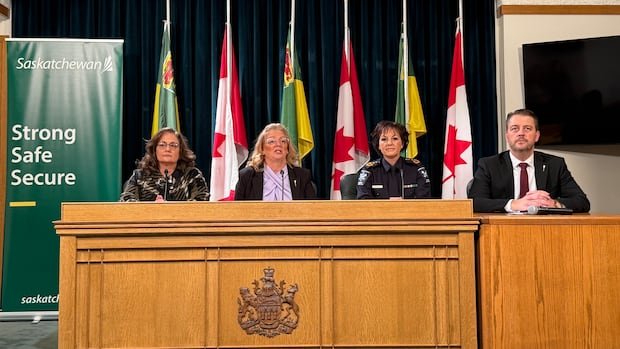

A mother from Kindersley, Saskatchewan, who lost two sons to drug addiction, expresses her support for a new bill proposed by the Saskatchewan government. This legislation would enable mandatory treatment for individuals struggling with severe substance abuse.
Angela McPhee shared the heartbreaking story of her son Colton Richardson, aged 33, who passed away in March due to a fatal drug overdose while living on the streets of Saskatoon. Despite her efforts to seek help for Colton through legal channels and mental health services, McPhee faced obstacles at every turn.
The current addiction treatment system in Saskatchewan relies on voluntary participation, which McPhee found ineffective for Colton, who was deeply affected by drugs and often experienced psychosis. Reflecting on her struggles, McPhee expressed her desperation, stating that she would have taken drastic measures if possible.
The proposed Compassionate Intervention Act, introduced by Justice Minister Tim McLeod, aims to assist individuals incapable of seeking help for themselves due to severe addictions. The act would empower family members to seek court-ordered treatment for their loved ones and allow law enforcement to intervene in cases where substance abuse poses significant risks.
According to Mental Health and Addictions Minister Lori Carr, the legislation would establish “compassionate intervention treatment centres” that prioritize care over confinement. These secure facilities would offer treatment services tailored to individuals’ needs, ensuring a supportive and healthy environment for recovery.
While the specifics of the legislation are still under development, Carr emphasized that the new treatment centers would complement the province’s commitment to expanding voluntary treatment beds. The government plans to consult stakeholders to refine the legislation before its potential passage in the spring.
Although concerns have been raised about the effectiveness and risks of involuntary treatment, Carr defended the legislation as a necessary tool to support individuals on the path to recovery. The involvement of peace officers and police in enforcing the act underscores the government’s commitment to addressing addiction-related challenges.
As the government navigates the legislative process, opposition parties like the NDP acknowledge the importance of involuntary treatment as a last resort, emphasizing the immediate need for accessible treatment options. The bill’s introduction at the end of the fall sitting signifies ongoing efforts to address pressing issues in trade, healthcare, and fiscal management within Saskatchewan.