


Iran conducted a strike on a base in Saudi Arabia, causing injuries to U.S. service members and damaging aircraft. This action was in response to Israeli attacks on two of Iran’s nuclear facilities on Friday. The assault on Prince Sultan Air Base resulted in the injury of at least 10 American troops, with two of them sustaining serious wounds. The attack also led to damage to several refuelling aircraft.
Following threats of increased actions against Tehran, Israel targeted Iran’s nuclear facilities. Iranian state media reported attacks on two nuclear facilities, which prompted Iran to threaten retaliation. Iranian Foreign Minister Abbas Araghchi warned of a significant reprisal, stating that Iran would hold Israel accountable for its actions.
Iran’s Atomic Energy Organization confirmed that the Shahid Khondab heavy water complex in Arak and the Ardakan yellowcake production plant in Yazd Province were the primary targets of the strikes. Fortunately, there were no casualties, and the risk of contamination was deemed minimal. The Arak plant had been non-operational since a previous Israeli attack in June.
Yellowcake, a purified form of uranium, and heavy water, used as a moderator in nuclear reactors, were the key elements targeted in the strikes. The Israeli military claimed that the Yazd plant processed raw materials crucial for Iran’s nuclear enrichment program, emphasizing that the strike significantly impacted Iran’s nuclear capabilities.
In response, the IRGC’s Aerospace Force commander, Seyed Majid Moosavi, urged employees of U.S. and Israel-linked companies to evacuate their workplaces to avoid potential consequences. Later, Israel reported missile launches from Iran, prompting alerts in Beer Sheba and areas near Israel’s main nuclear research center that had been targeted in previous strikes.
As diplomatic efforts continued, President Trump mentioned positive developments in talks aimed at ending the conflict. However, with economic repercussions escalating globally, pressure mounted on Trump to resolve the situation, particularly concerning Iran’s control over the Strait of Hormuz.
A Gulf Arab bloc highlighted Iran’s interference with ships in the region to ensure safe passage. Despite presenting a ceasefire proposal through an intermediary, Iran rejected the U.S.’s 15-point action list, proposing its own five-point plan emphasizing reparations and sovereignty over the waterway. Trump set a deadline for Iran to reopen the strait, warning of potential consequences if the deadline was not met.
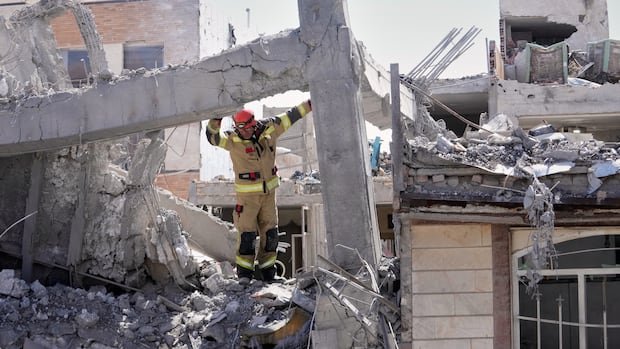
The attacks intensified early Saturday, with reports of power outages in Tehran and explosions in Tel Aviv. Israel retaliated by targeting Tehran’s weapon production sites, missile launchers, and storage facilities in Western Iran. Saudi Arabia’s Defence Ministry intercepted missiles and drones aimed at Riyadh. Additionally, Kuwait reported damage to ports, including one under China’s Belt and Road initiative, marking a rare attack on a Chinese-affiliated project in the region.
The ongoing conflict has resulted in significant casualties, with over 1,100 deaths in Lebanon, over 1,900 in Iran, and varying casualties in other regions involved in the conflict. The situation remains volatile, with the toll on human lives and infrastructure escalating.