

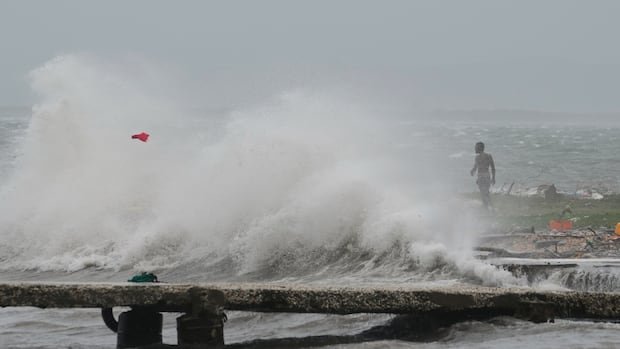

Heavy flooding occurred in southwestern Jamaica as Hurricane Melissa made landfall as a catastrophic Category 5 storm, with powerful winds, roof damage, and road blockages. The storm brought 295 km/h winds near New Hope, causing landslides, fallen trees, and widespread power outages. Prime Minister Andrew Holness emphasized the region’s vulnerability to such a severe hurricane and expressed concerns about the slow cleanup and damage evaluation process.
In Black River, western Jamaica, floodwaters trapped several families in their homes, with rescue efforts hindered by perilous conditions. Deputy chairman of Jamaica’s Disaster Risk Management Council, Desmond McKenzie, described the chaos with roofs being ripped off buildings and expressed hope for improved conditions to assist those in need.
Extensive damage was reported in St. Elizabeth parish, with McKenzie mentioning that the area was submerged. While no fatalities were confirmed, the full extent of the destruction was yet to be determined as Hurricane Melissa continued its assault on the country. The storm was forecasted to bring a heavy storm surge to northern Jamaica as it moved towards Cuba for another potential landfall as a major hurricane.
Thousands sought shelter in Jamaica, with a significant portion of the population experiencing power outages. Humanitarian aid adviser Colin Bogle highlighted the anxiety and challenges faced by families sheltering in place during the storm. The government prepared for immediate rescue operations post-storm, emphasizing the deployment of resources for assistance.
Hurricane Melissa had caused fatalities in several Caribbean countries, including Jamaica, Haiti, and the Dominican Republic. As the storm progressed, concerns were raised about the aftermath and the need for comprehensive damage assessments. Efforts to reopen airports and restore normalcy were underway, with residents urged to remain vigilant against potential risks such as displaced wildlife and structural damage.