


A recent report released by Public Health Sudbury and Districts revealed that the majority of fatal drug poisonings in the area are occurring within private residences, rather than in public spaces or downtown areas. Data from the Office of the Chief Coroner shows that between 2022 and 2025, 76% of suspected and confirmed drug poisoning deaths took place in private homes, with 80% of the deceased individuals residing in private dwellings.
Dr. Mustafa Hirji, the CEO of Public Health Sudbury and Districts and co-chair of the community drug strategy for the City of Greater Sudbury, emphasized that these statistics confirm the long-standing knowledge among frontline workers. He pointed out that many individuals who overdose are doing so in the privacy of their homes while still maintaining their daily lives, such as holding jobs and having families, but struggling with addiction.
The focus on visible homelessness and drug use in downtown areas may overshadow the broader crisis highlighted by the data. The report indicated that from 2022 to 2025, suspected drug poisoning deaths were distributed as follows: 114 deaths in Gatchell, Donovan, Flour Mill, West End, and Little Britain; 87 deaths in the South End; and 59 deaths in Downtown and Minnow Lake.
According to Dr. Hirji, addiction tends to isolate individuals, leading them to use substances behind closed doors and away from potential intervention. This sentiment is echoed by Alyshia Fenerty, a Sudbury resident in recovery, who emphasized the isolating nature of addiction and the prevalence of secret drug use even while maintaining housing and employment.
Despite common perceptions of drug use occurring in public settings, Fenerty’s experience highlights the hidden nature of addiction, with many individuals struggling in silence to avoid stigma and repercussions. The stigma surrounding substance use often pushes individuals further into seclusion, hindering their access to support and treatment.
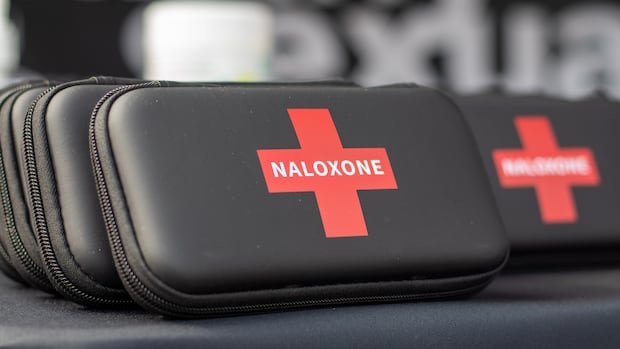
In the emergency department at Health Sciences North, Dr. Dominique Ansell noted the increasing complexity of overdose cases, with many individuals unaware of the substances they have ingested. The presence of non-opioid substances complicates treatment, and the effectiveness of naloxone, a drug used to reverse overdoses, may vary.
Dr. Ansell emphasized that individuals from diverse backgrounds are affected by overdoses and encouraged those struggling with substance use to seek help. She highlighted the importance of connecting individuals with appropriate services for support and treatment.
To address the ongoing crisis, Dr. Hirji called for increased provincial support, including more affordable housing, additional addiction treatment resources, and expanded harm-reduction services. He stressed the need for enhanced addiction care funding and a renewed commitment to harm reduction efforts to combat the complex challenges posed by substance use disorders.
While some investments have been made in mental health and addiction support initiatives, such as the roadmap to wellness and the addictions recovery fund, the spokesperson for Ontario’s Ministry of Health acknowledged the need for sustained efforts to address the high mortality rates related to drug overdoses in northern Ontario regions.
Dr. Hirji emphasized the necessity of a comprehensive and sustained response to the crisis, acknowledging the complexity of the underlying issues and the absence of quick solutions.