

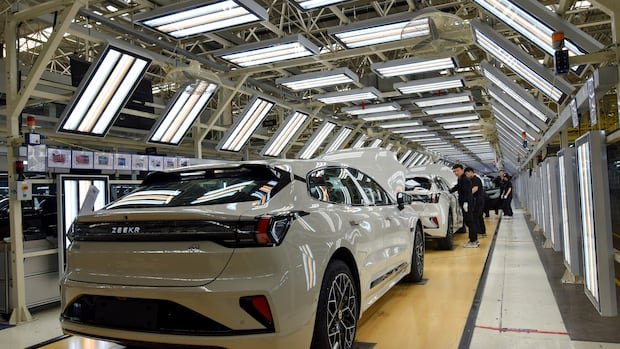

Sooren Moosavy is interested in purchasing an economical electric vehicle in the United States due to environmental considerations and a preference for the smoother driving experience of electric vehicles. However, the 28-year-old resident of Baltimore has encountered difficulty in finding suitable options, as his search has led him to consider three models from Chinese automakers that are not readily available in the U.S.
Expressing his desire to test drive or acquire one of these vehicles, Moosavy has narrowed down his choices to models from BYD, Geely, and Zeekr, all of which appeal to him because of their compact design, luxurious interiors, and notably, their affordability.
Moosavy’s interest reflects a growing trend among American consumers as the average price of new cars in the U.S. nears $50,000. Despite opposition from the automotive industry and major U.S. political parties, more consumers are considering purchasing lower-priced Chinese cars.
While Chinese electric vehicles are gaining traction in Europe, Latin America, and even Canada, the U.S. government has imposed tariffs exceeding 100% on these cars due to concerns regarding data security and safeguarding American jobs.
In various international markets, Chinese EVs are available at prices below $30,000, offering features such as advanced driving assistance technology, a built-in mini fridge, and the option for passengers to engage in karaoke.
Clint Simone, a senior features editor at car-shopping website Edmunds, praised the advanced technology offered by Chinese vehicles at lower price points after test-driving several models at the CES trade show earlier this year.
China’s Growing Export Dominance
China has surpassed Japan to become the world’s leading vehicle exporter in recent years.
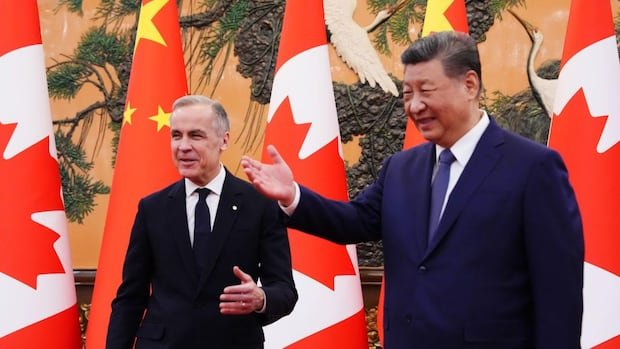
Canada recently joined the list of countries welcoming Chinese cars by agreeing to reduce tariffs to 6.1% on an initial quota of 49,000 Chinese EVs annually.
Chinese automakers are actively exporting vehicles to Mexico, with plans to establish manufacturing facilities in the country.
While President Donald Trump has shown openness to Chinese automakers setting up operations in the U.S. as long as they hire American workers, major auto trade groups have urged the government to block Chinese carmakers from entering the market, citing concerns about competitiveness.