

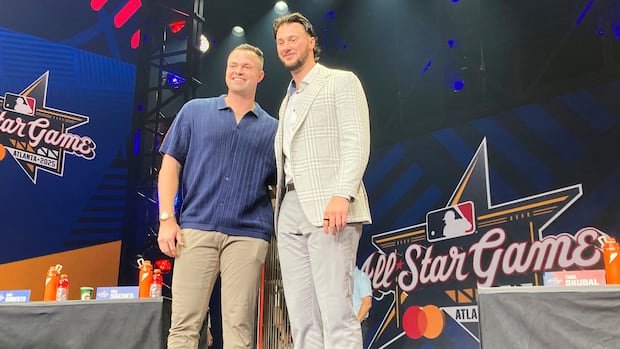

Robot umpires are set to make their debut in Major League Baseball this season. The Automated Ball-Strike (ABS) Challenge System will be implemented as a challenge system, allowing teams to appeal to a computer system after each call made by the home plate umpire. Testing of robot umpires has been ongoing in the minor leagues since 2019 and has seen recent trials in Triple-A since 2022, during MLB spring training last year, and at the 2025 All-Star Game in Atlanta.
The ABS system works by equipping stadiums with cameras that track each pitch to determine if it passes through the strike zone. In the testing phase, umpires wore earpieces to receive “ball” or “strike” calls, which were then relayed to players and fans using traditional hand signals.
The challenge system introduces a new element, where human umpires initially call each pitch, but teams can challenge up to two calls per game. Teams that lose both challenges are granted an additional challenge for each extra inning played. Only the batter, pitcher, or catcher can challenge a call by tapping their helmet or cap within two seconds. Dugout assistance is not allowed, and a graphic displaying the pitch and strike zone is shown on the scoreboard and broadcast feed, with the umpire announcing the updated count.
The ABS technology relies on a Hawk-Eye pose-tracking system with cameras to track pitches and determine if they fall within the strike zone based on each batter’s height, measured without shoes. To maintain consistency, players are measured for their strike zone between 10 a.m. and noon during spring training, as height variations throughout the day can influence the strike zone. MLB estimates the calibration process for each player to be less than one minute.
The ABS strike zone, a rectangle as per the rule book, differs from the oval-shaped zone typically called by major league umpires. The system has undergone several changes to define the strike zone accurately, with adjustments made to the width and top and bottom percentages based on a batter’s height.
ABS has been tested extensively, starting in the minor leagues in 2019 and progressing to the Atlantic League’s 2019 All-Star Game and the Arizona Fall League. It was later implemented in the Low-A Southeast League in 2021 and then moved up to Triple-A in 2022. The success rate of challenges has been around 50% in the minors, with catchers showing higher success rates compared to batters.
In Triple-A last season, the success rate of challenges slightly dropped to 49.5%, with defenses winning more challenges compared to batters. The rate of challenges also increased, with a higher percentage of pitches being challenged in later innings.