


In 2026, reminiscent of events in 1979 sparked by the Iranian Revolution, Iran’s turmoil, disruptions in global oil markets, and soaring gasoline prices in Canada and beyond are causing concern among motorists and governments. During the 1979 global oil supply shock, panic buying and hoarding of gas occurred, leading to a spike in oil demand.
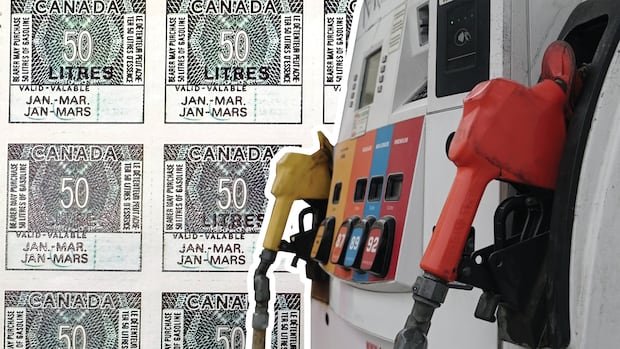
Recently, Calgary economist Peter Tertzakian uncovered original proofs of gasoline rationing stamps prepared by Canada’s government in response to the crisis. Although the stamps, entitling holders to 50 liters of gas, were never circulated due to stabilized supply, the proof in the archives serves as a reminder of past oil crises and the unpredictability of oil shortages.
Tertzakian highlighted the potential for gas-saving measures in the current Middle East conflict, drawing parallels between the 1970s oil crises and present-day escalations in the region. The surge in oil prices above $100 US per barrel following the attack on Ayatollah Ali Khamenei has significantly impacted global pump prices.
As nations like Sri Lanka, the Philippines, and Vietnam implement measures to hoard and ration gas, concerns about potential gas rationing in Canada resurface. While Canada has not yet implemented such measures, history shows that oil rationing is not unprecedented in the country.
Reflecting on the past, Tertzakian emphasized the increased global dependence on oil commodities and the possibility of gas rationing becoming a reality in Canada. If faced with a physical oil shortage or global scarcity leading to exorbitant prices, gas rationing may be a necessary step to ensure fair access to essential commodities for all.
Looking back at the 1970s, when the U.S. experienced gas shortages and adopted rationing systems, the possibility of gas rationing resurfaces amid current global uncertainties. Tertzakian urged long-term strategic planning and cooperation during crises to ensure the equitable distribution of vital commodities.