


Shortly following the commencement of Operation Epic Fury and Operation Roaring Lion by the U.S. and Israel on February 28, which resulted in the elimination of key Iranian leaders, Iran’s Foreign Minister Abbas Araghchi responded defiantly with a tweet. Araghchi emphasized that the bombings in their capital did not hinder their ability to wage war, citing the effectiveness of Iran’s “mosaic defense” strategy. This doctrine, developed in response to U.S. military actions in Iraq and Afghanistan, aims to ensure Iran’s military capabilities remain intact even if central command structures are targeted.
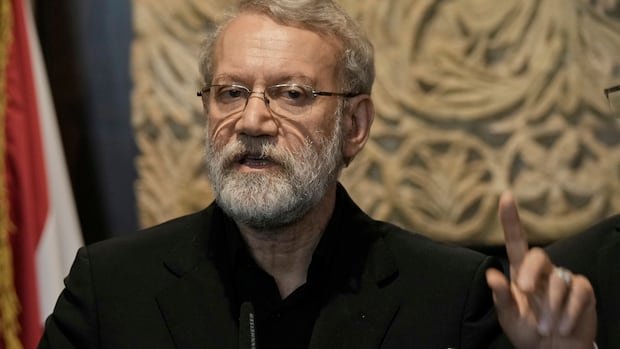
The mosaic defense strategy was conceived to grant autonomy to provincial military units, enabling them to independently initiate offensives in the event of a leadership decapitation. Notably, Israel has been systematically targeting and eliminating Iran’s top military and security figures, including Ayatollah Ali Khamenei, Ali Shamkhani, Mohammad Pakpour, Defence Minister Aziz Nasirzadeh, and Sayyid Abdolrahim Mousavi. Recent casualties include Iranian Intelligence Minister Esmail Khatib, Gen. Gholam Reza Soleimani, and top security official Ali Larijani.
Despite these losses, Iran has continued launching missiles, raising questions about the efficacy of its mosaic defense doctrine in sustaining military operations post-leadership decapitation. This strategy, originally formulated by General Mohammad Jafari, restructured Iran’s command and control system into 31 separate commands, allowing for decentralized decision-making during conflicts.
Experts suggest that while the doctrine may have enabled Iran to maintain some operational capabilities, the impact of key figure deaths cannot be underestimated. The targeted killings have disrupted Iran’s internal operations, slowing decision-making processes and potentially affecting the effectiveness of military endeavors. The long-term ramifications of these losses on Iran’s military strategy and leadership structure remain to be seen.
Ultimately, the mosaic defense doctrine continues to be tested during this conflict, with analysts observing how Iran adapts and responds to the elimination of its key figures. The ability of lower-echelon commanders to operate independently underscores the decentralized nature of Iran’s military strategy, emphasizing resilience in the face of targeted attacks.