



While it can be challenging to prioritize workers’ rights, animal welfare, and the environment while shopping, a professor from the University of Guelph suggests that many consumers prefer to purchase items that are Canadian-made, produced with fair labor, or follow eco-friendly practices.
As the holiday shopping season kicks off, Jing Wan points out that the higher costs associated with these products may hinder individuals from achieving their ethical shopping objectives.
Wan’s research indicates that although most consumers express interest in ethical shopping, the market share of ethical products does not align with consumer preferences.
“Products positioned as more ethical do not dominate sales figures, highlighting a disparity between consumer intentions and actual purchasing behaviors,” Wan shared with CBC News.
“I’m not labeling consumers as hypocrites or deceivers. People genuinely care about these issues, but when faced with these products in stores, it becomes challenging to justify spending more on them immediately.”
What constitutes ethical shopping?
Wan defines ethical production as benefiting entities beyond oneself, such as aiding the environment, supporting others, or protecting animals.
Ethical shopping involves seeking out these products rather than opting for conventional alternatives, which often lack transparency about production processes and may be less eco-friendly, involve animal testing, or have unfair labor practices.

According to Wan, there exists an “ethical premium” that consumers must pay to support external causes.
She explains, “When comparing almost identical products with one being priced higher due to non-personal benefits, it becomes challenging to justify the added cost at that moment.”
The best way to shop ethically … is actually not to buy as much.– Jing Wan, University of Guelph professor
Wan’s findings reveal that not all products labeled as ethical truly adhere to ethical standards.
Regarding the issue of elevated prices for ethical products, Wan suggests that overconsumption is a prevalent problem among consumers.
“The most ethical shopping practice involves purchasing less. By reducing your consumption, you can make a more significant impact. It’s about quality over quantity,” Wan emphasized.
Consumers Favor Environmentally-Focused Brands
Billie-Jo O’Brien and her husband, Pete Molloy, have been crafting eco-friendly soaps, personal care items, and cleaning products at their Cambridge-based company, Molloys Soap, for seven years.
O’Brien notes that while Molloys Soap isn’t entirely zero waste, they prioritize environmental preservation, attracting a substantial customer base.
“Approximately half of our customers appreciate our local products for their quality, while the other half specifically choose us for our non-toxic nature, refill options, and eco-friendly attributes,” O’Brien shared with CBC K-W.
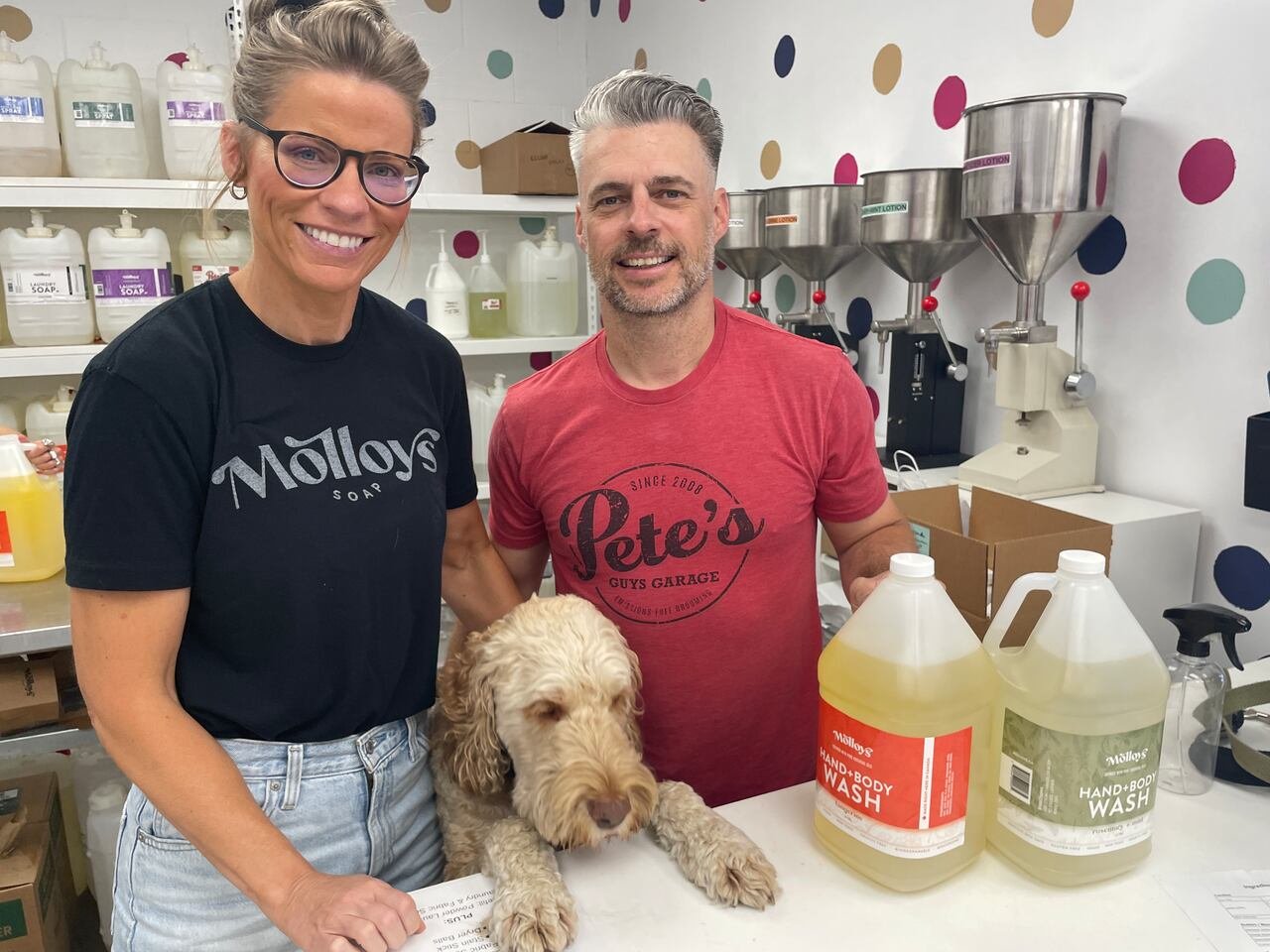
According to the company’s website, 90% of their products are manufactured in Cambridge, using locally-sourced ingredients and materials.
“We make conscious efforts to limit plastic use, offering refill programs and utilizing eco-friendly packaging, even in shipping logistics,” O’Brien mentioned.
“By scaling back on plastic and encouraging customer participation, we aim to contribute positively to environmental sustainability,” O’Brien added.
In addition to their physical store in Cambridge, Molloys Soap operates an online platform and