

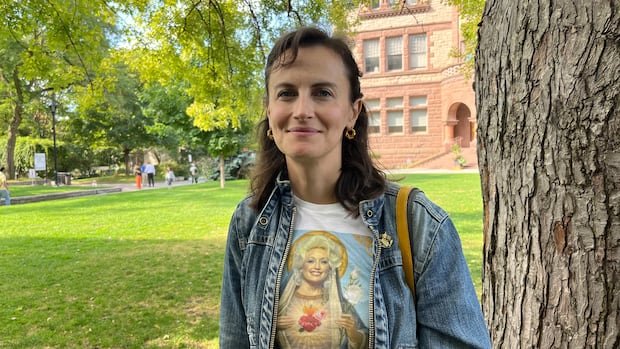


In 2023, Stephanie Azzarello faced a unique challenge in her quest for a liver transplant due to her condition, primary sclerosing cholangitis, which severely affected her liver and bile ducts.
Despite being on the waiting list for a deceased donor, the likelihood of receiving an organ was slim, prompting Azzarello to seek a living donor. With no suitable matches among family or friends, she resorted to a public appeal.
Recognizing the systemic issues in organ allocation, Dr. Mamatha Bhat of the University Health Network Ajmera Transplant Centre in Toronto embarked on a mission to revamp the prioritization process, particularly for patients like Azzarello with rare conditions.
By scrutinizing the Model for End Stage Liver Disease (MELD) scoring system, Bhat identified disparities that disadvantaged certain groups, such as women and individuals with less common liver ailments like PSC.
Bhat’s innovative approach involved harnessing artificial intelligence to develop a more comprehensive assessment tool that considers a myriad of factors beyond traditional blood tests, aiming to enhance patient prioritization and reduce waitlist mortality rates.
According to data from the Canadian Institute for Health Information, in 2024, 655 liver transplants were conducted in Canada, while 609 individuals remained on the waitlist, and 89 tragically succumbed while awaiting transplantation.
Following a successful social media campaign, Trisha Beard from Portland, Oregon, stepped forward as a donor for Azzarello. Despite initial obstacles, Beard’s persistence led her to Toronto for testing, where she was confirmed as a compatible match.
The subsequent transplant surgery, lasting over 12 hours, saw Beard’s liver successfully transplanted into Azzarello, marking a life-changing moment for both individuals.
Post-surgery, Azzarello, now back teaching art history at the University of Toronto, expresses gratitude for the gift of life received from Beard, emphasizing the profound impact of their bond.