


In the midst of escalating tensions in the United States, an increasing number of Americans are turning to Canada and their ancestral ties as a potential alternative. Lynn Rutman, a resident of Cape Cod, Massachusetts, with a heritage rooted in Quebec and Nova Scotia spanning centuries, expressed concerns about the political landscape in the U.S., referencing recent controversies surrounding immigration policies and enduring ideological divisions.
Rutman is among the many individuals who have initiated the process of seeking proof of Canadian citizenship in light of recent amendments to Canada’s citizenship regulations. Previously, under Bill C-3, titled An Act to Amend the Citizenship Act (2025), citizenship by descent for those born outside Canada was restricted to the first generation. However, the law now retroactively grants Canadian citizenship to individuals born before the new legislation took effect on December 15, 2025, who would have been citizens if not for the generational limitation.
The alteration in the law followed a 2023 ruling by the Ontario Superior Court of Justice deeming the first-generation restriction unconstitutional. This development has led to a surge in applications for Canadian citizenship certificates, with many Americans seeking additional passports amidst heightened global uncertainties.
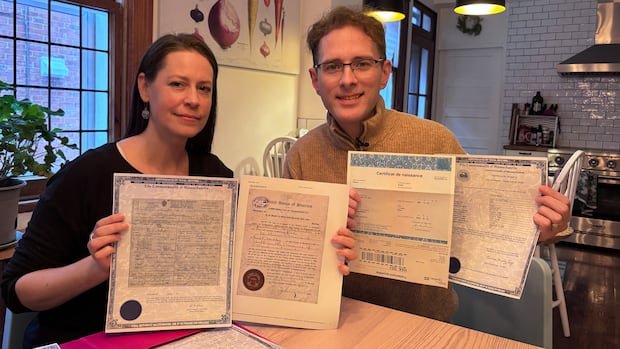
Mary and Ryan Hamel, a family of four who relocated from Massachusetts to Quebec as temporary foreign workers during the COVID-19 pandemic, have found solace in the new legislation. With a newfound pathway to permanent residency, the Hamels, who have ancestral ties to French Canada, have delved into their family lineage to gather official documents demonstrating their heritage.
To obtain the necessary Quebec documents, such as birth certificates and marriage certificates, applicants need to provide evidence of parentage, place of birth, and any name changes. The process may involve confirming unofficial name alterations, with supporting documents like death certificates, census records, or property deeds enhancing the authenticity of ancestral claims.
A significant upsurge in requests for certified documents has been witnessed, with archives across Canada witnessing a substantial rise in inquiries, predominantly from Americans. The backlog of requests has resulted in potential delays, particularly for international applicants, emphasizing the importance of patience and thorough research in navigating the complex application process.
The legislative changes have sparked a renewed interest among individuals with Quebecois roots, reflecting a deep-seated connection to French Canadian heritage. For many, the opportunity to gain official recognition through Canadian citizenship symbolizes a long-standing sense of belonging and affinity with Canada.
As the Hamels await a decision from Immigration, Refugees, and Citizenship Canada (IRCC), the IRCC anticipates a high volume of requests for Canadian citizenship certificates over time, with nearly 48,000 individuals awaiting decisions on their applications as of early March. The processing time for such applications is estimated at around 11 months.