

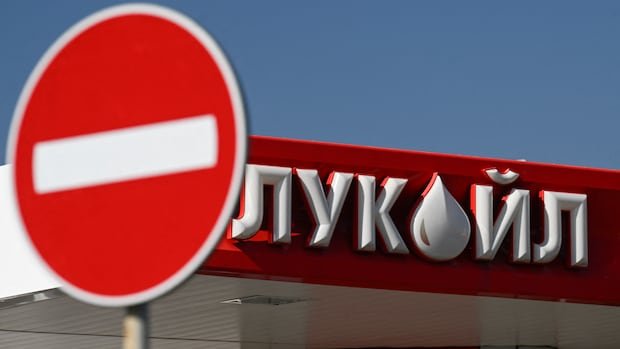

The recent imposition of sanctions by the U.S. Treasury on two major Russian oil producers signifies Washington’s increasing frustration with Russian President Vladimir Putin’s stance on the conflict with Ukraine. Lukoil and Rosneft were accused of aiding the Russian government’s military efforts, leading to a surge in global oil prices and causing concerns among Russia’s oil buyers.
The sanctions placed on Lukoil and Rosneft, along with over 30 of their subsidiaries, are significant due to the massive daily export capacity of these companies, totaling over three million barrels. Rosneft, a state-controlled entity led by Putin ally Igor Sechin, plays a crucial role in almost half of Russia’s oil production. On the other hand, Lukoil, a privately owned corporation, contributes around two percent of the world’s oil output.
Despite the focus on these two firms, the U.S. Treasury hinted at possible sanctions on financial institutions and others engaged with these entities, setting a deadline for winding down transactions by November 21. The impact of these measures extends to Russia’s oil sales as key buyers like India and China are reconsidering their imports, fearing secondary sanctions that could cut off access to U.S. financial markets.
Russia’s reaction to the sanctions has been a mix of anger and dismissal, with officials criticizing the U.S. approach. Meanwhile, international responses have varied, with Kuwait expecting a rise in oil prices but confident in OPEC’s ability to balance any supply disruptions. The European Union also approved additional sanctions on Russia, including bans on Russian LNG imports and sanctions on vessels linked to Moscow’s maritime activities.
In summary, the sanctions on Russian oil producers have set a new tone in the ongoing conflict, impacting global oil markets and prompting reactions from key players worldwide.