

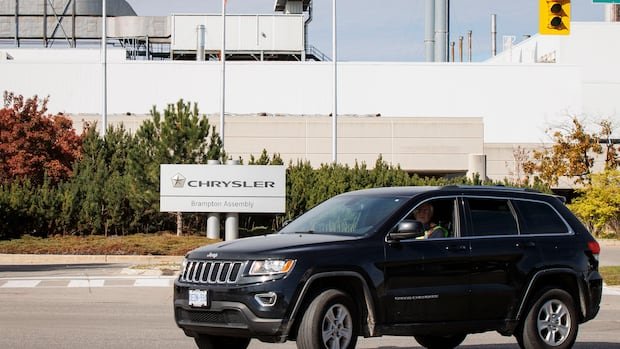

The Canadian government is taking action against Stellantis and General Motors by reducing the number of tariff-free vehicles they can import from the United States for sale in Canada. This decision comes after the automakers were found to be cutting back on their manufacturing operations in Canada, violating their commitments to the country and its workers.
Stellantis had previously announced plans to shift production of the Jeep Compass from Brampton, Ontario, to Illinois, while General Motors confirmed the discontinuation of production of its BrightDrop electric delivery vans in Ingersoll, Ontario. As a response, Ottawa is now limiting the tariff-free imports of American-assembled vehicles by 24% for GM and 50% for Stellantis.
The government had initially provided exemptions from Canada’s 25% retaliatory tariffs on the U.S. auto sector in April, contingent on the automakers maintaining production in Canada and fulfilling their investment commitments. However, since Stellantis and GM failed to uphold these obligations, Ottawa has decided to enforce reductions in their tariff-free vehicle imports.
While some industry experts view this move as necessary to hold companies accountable and protect Canadian workers, others like Huw Williams from the Canadian Automobile Dealers Association express concerns about potential price increases for consumers due to tariffs. Unifor national president Lana Payne believes that Ottawa’s approach of using both incentives and penalties will be effective in addressing the situation amid challenges posed by U.S. President Donald Trump’s trade policies.
Furthermore, discussions between Canada and the U.S. are ongoing to negotiate lower tariffs on the auto sector, with a focus on securing relief for the steel and aluminum industries first. Conservative Leader Pierre Poilievre has criticized Prime Minister Mark Carney for not effectively defending Canada’s auto sector in negotiations with the U.S. government.
Stellantis and GM have yet to respond to requests for comment on the matter. The government’s actions aim to encourage reinvestment in Canadian production and uphold commitments made by multinational automakers to support the country’s economy and workforce.