

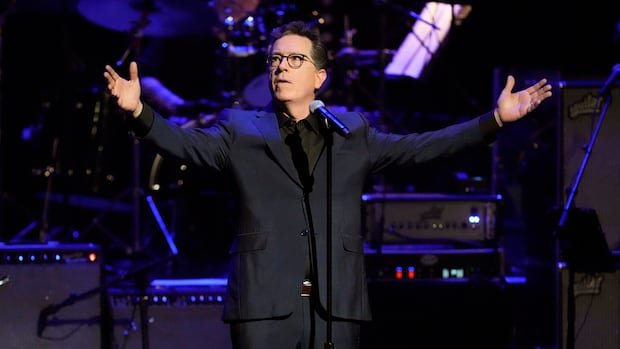

In a recent development, comedian Stephen Colbert found himself in a clash with his network over the airing of an interview with Texas Democrat James Talarico, highlighting the enforcement of the equal time rule in broadcasting laws. Colbert revealed on a recent episode of his show, The Late Show with Stephen Colbert, that CBS lawyers forbade him from featuring the interview, leading to a humorous segment addressing the situation.
While CBS disputed Colbert’s claims, stating they provided legal advice based on the FCC equal-time rule, the incident shed light on the equal time rule’s significance in ensuring fair coverage for election candidates. This rule, stemming from the Communications Act of 1934, mandates broadcasters to offer equal airtime to all candidates vying for the same position.
The equal time rule, officially outlined in Section 315(a) of the Act, aims to prevent bias in media coverage by granting all candidates an equal opportunity for exposure. While exemptions exist for certain program types like newscasts and interviews, recent interpretations have raised concerns about the rule’s application to talk shows.
Under the Trump administration, the FCC issued new guidance questioning the automatic exemption of talk shows from the equal time rule. This shift in interpretation sparked debates on potential partisan motivations behind the enforcement of the rule, as seen in Colbert’s remarks criticizing FCC Chairman Brendan Carr.
Despite the evolving landscape of media platforms, the equal time rule’s relevance persists, especially for traditional broadcast outlets. Experts caution that recent regulatory pressures could stifle political discourse on television, impacting viewers’ access to diverse perspectives during elections.
While the interview in question remains accessible on digital platforms like YouTube, concerns linger about the broader implications of regulatory actions on media freedom and public information. The ongoing debate underscores the delicate balance between regulatory compliance and the need for robust political discourse in the media landscape.