

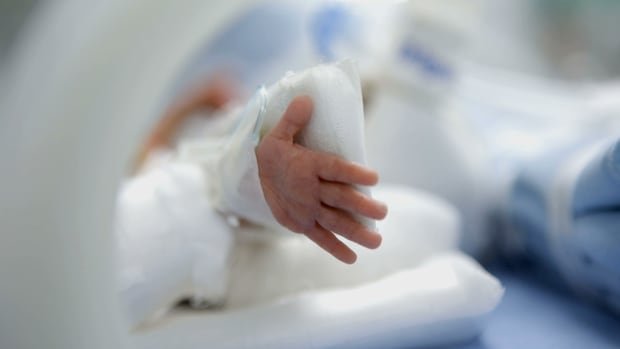

An infant immunization for respiratory syncytial virus (RSV) has been introduced nationwide in Canada, but the majority of parents in British Columbia still need to pay for it out of pocket, incurring a high cost. Dr. Patrick Hemmons, a family physician from northern B.C., had to travel to Seattle last year to purchase a dose of nirsevimab for his preterm daughter. He expressed relief that others won’t have to go through the challenge of crossing borders to obtain the antibody.
Dr. Hemmons, along with many other parents and medical professionals, advocates for universal access to the RSV shot at no cost. Nirsevimab, approved by Health Canada in April 2023 for all infants during their first RSV season (fall and winter), is produced by AstraZeneca and distributed in Canada by Sanofi as Beyfortus, priced between $800 and $900.
While most parts of Canada offer publicly funded RSV programs providing nirsevimab at no charge to all infants, exceptions exist in British Columbia, Alberta, and New Brunswick. In B.C., the coverage is limited to certain high-risk infants and those in specific remote areas. Despite being born prematurely, Dr. Hemmons’ daughter did not qualify for the immunization due to not meeting the high-risk criteria.
RSV typically causes mild cold symptoms but can lead to severe illness in vulnerable populations, such as older adults and newborns. A recent study from the University of British Columbia’s Faculty of Medicine revealed that babies under six months accounted for nearly half of all RSV-related hospital admissions in Canada, resulting in significant annual costs.
Katrina Bellavance, a mother from Calgary, shared her experience of her daughter Maxine being hospitalized for RSV at eight weeks old in 2023. She emphasized the importance of having access to antibody treatment, especially for premature babies, to prevent hospitalizations and alleviate stress for families.
The National Advisory Committee on Immunization (NACI) recommended prioritizing coverage for higher-risk infants in 2024 due to the high cost of nirsevimab. However, the committee also urged the progression towards a universal RSV immunization program for all infants.
Provincial governments have the authority to decide whether to cover the costs of medications like nirsevimab. The B.C. Ministry of Health mentioned an allocation of 4,000 doses for high-risk infants for the 2025-26 respiratory illness season. Parents of children who do not meet the eligibility criteria can still access the antibody through private purchase, subject to product availability.
Dr. Katharine Smart, a pediatrician and former president of the Canadian Medical Association, anticipates potential changes in coverage eligibility for nirsevimab. She highlighted the economic benefits of offering the immunization to all infants to reduce healthcare system burdens and costs associated with RSV illnesses.
The lack of coverage for nirsevimab poses challenges in providing information to parents effectively. Dr. Smart emphasized the importance of raising awareness about the availability of the vaccine and ensuring its accessibility to all infants.