

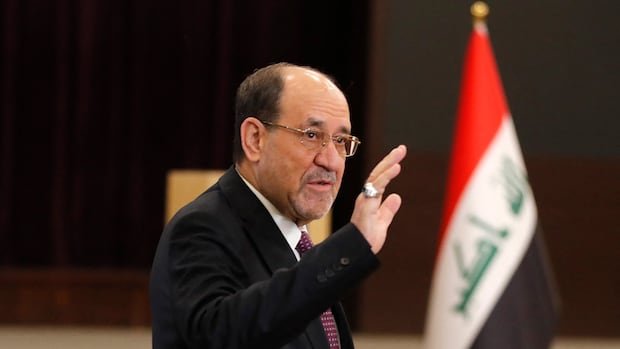

In the realm of proxy conflicts between Iran and the United States in the Middle East, Iraq often goes unnoticed on the global stage. However, the U.S. response to the reemergence of former Iraqi Prime Minister Nouri al-Maliki as a candidate for the position once again serves as a stark reminder of Iraq’s delicate balancing act between the two powers.
The 75-year-old politician’s bid for candidacy has stirred controversy as the U.S. intensifies efforts to diminish Iranian influence in Iraq. President Donald Trump took to Truth Social last month to criticize al-Maliki, stating that during his previous tenure in power, the country faced economic hardship and turmoil. Trump warned that if al-Maliki were to be elected again, the U.S. would withdraw its support, jeopardizing Iraq’s chances of success, prosperity, and freedom.
In response, al-Maliki denounced what he viewed as unwarranted American intervention in Iraq’s internal affairs. Meanwhile, Trump has been escalating threats of military action against Iran, initially in response to anti-government protests and later focusing on Iran’s nuclear activities, missile arsenal, and backing of regional militias.
The Co-ordination Framework, a prominent Shia bloc in Iraq’s Parliament, nominated al-Maliki for prime minister, praising his political and administrative expertise. Renad Mansour, director of the Iraq Initiative at Chatham House, highlighted al-Maliki’s close ties with Iran, pointing out his role in formalizing the Popular Mobilization Forces (PMF) during his premiership.
Some of these PMF groups, known for their affiliation with Iran, have drawn the ire of the U.S. as it broadens its demands from Iran to include disbanding support for proxy militias in the region. Iraqi Kurdish politician Hoshyar Zebari expressed concerns over the growing influence of these militias in Iraqi politics and their ties to Iran.
The nomination of al-Maliki has caused rifts within Iraqi factions, with some viewing him as a divisive figure with a troubled past. While there are alternative candidates within the Co-ordination Framework, opinions differ on the best path forward for Iraq amid escalating tensions between the U.S. and Iran.
As Iraq navigates its political landscape, the country’s citizens are wary of becoming a battleground in the power struggle between the U.S. and Iran. Many Iraqis hope for strong, independent leadership that prioritizes their interests over serving as proxies for foreign powers.
The intricate web of relationships between Iraq, Iran, and the U.S. underscores the challenges facing Iraq as it strives to form a stable government amidst external pressures and internal divisions. The question remains whether Iraq’s political process will unite its people or further fracture the nation.