

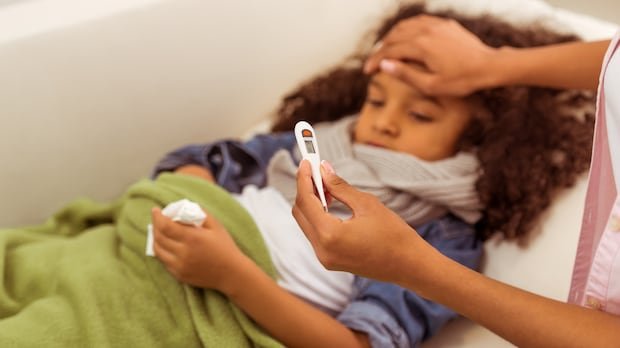

As autumn arrives, caregivers are familiar with the telltale signs of the season: children plagued by coughs, sneezes, and sniffles. A recent study has confirmed that the youngest students tend to host the highest levels of respiratory viruses. Dr. Jennifer Goldman, a pediatrician at Children’s Mercy hospital, noted that young children may encounter up to 10 respiratory viruses annually as their immune systems encounter new infections.
Analyzing nasal swabs and symptoms from over 800 individuals in a Kansas City school district, researchers found that more than 85% had at least one respiratory virus within a specific period. Notably, 92% of pre-kindergarten and elementary school children tested positive for viruses, compared to lower rates among older students and staff.
Most of the detected viruses causing common colds, such as rhinovirus and seasonal coronaviruses, with COVID-19 found in a smaller percentage of cases. The study aligns with previous research indicating that young children, particularly those under 5, play a significant role in transmitting respiratory viruses within households.
Experts emphasize the importance of vaccinations for COVID-19 and influenza, regular handwashing, cough etiquette, and maintaining hygiene to minimize the spread of illnesses. When children fall ill, supportive care, rest, and hydration are recommended, with medical intervention for severe cases. Despite efforts to prevent illness, recurring colds may still be common among young children, prompting parents to expect frequent bouts of sickness during the fall season.