

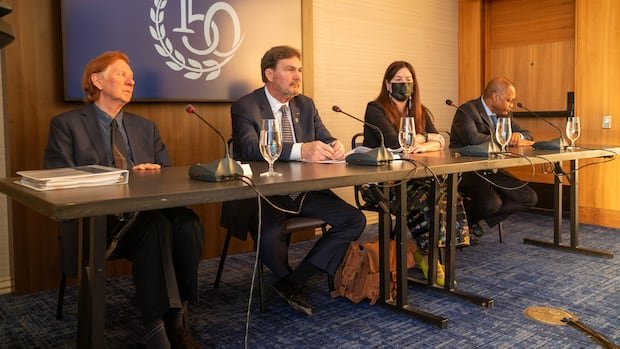

The Supreme Court of Canada judges are currently in Thunder Bay, Ontario, as part of their nationwide tour to celebrate the court’s 150th anniversary. Comprising four men and five women justices, the highest court in Canada presides over cases in various legal domains.
Thunder Bay, located in northwestern Ontario, serves as the judges’ final destination following stops in Victoria, Moncton, Yellowknife, and Sherbrooke earlier this year. Chief Justice of Canada, Richard Wagner, highlighted that during their visits to different communities, they have consistently been questioned by the public about safeguarding constitutional and Charter rights in light of global events affecting other countries near Canada.
Wagner emphasized the importance of protecting Canada’s robust institutions and promoting education as a means to address public concerns. Although he did not provide specific examples, concerns raised by the public parallel issues in the United States, such as immigration-related challenges.
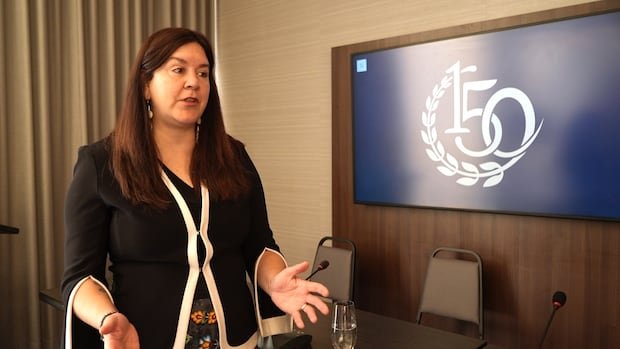
Accompanying Wagner in Thunder Bay are Justice Malcolm Rowe and Justice Michelle O’Bonsawin, the first Indigenous member on the Supreme Court. Their itinerary includes engagements with the local legal and judicial communities, high school students, and the Bora Laskin Faculty of Law, which integrates mandatory Indigenous legal studies into its curriculum.
According to O’Bonsawin, the inclusion of Indigenous courses at the law school is a response to the Truth and Reconciliation Commission’s calls to action on education, promoting a deeper understanding of Indigenous culture and legal systems.
Enhancing Legal Services Access
In northwestern Ontario, residents of remote First Nations often travel extensive distances to hubs like Thunder Bay for legal services. In cases where physical presence is challenging, hearings may occur in community centers or virtually if technology permits.
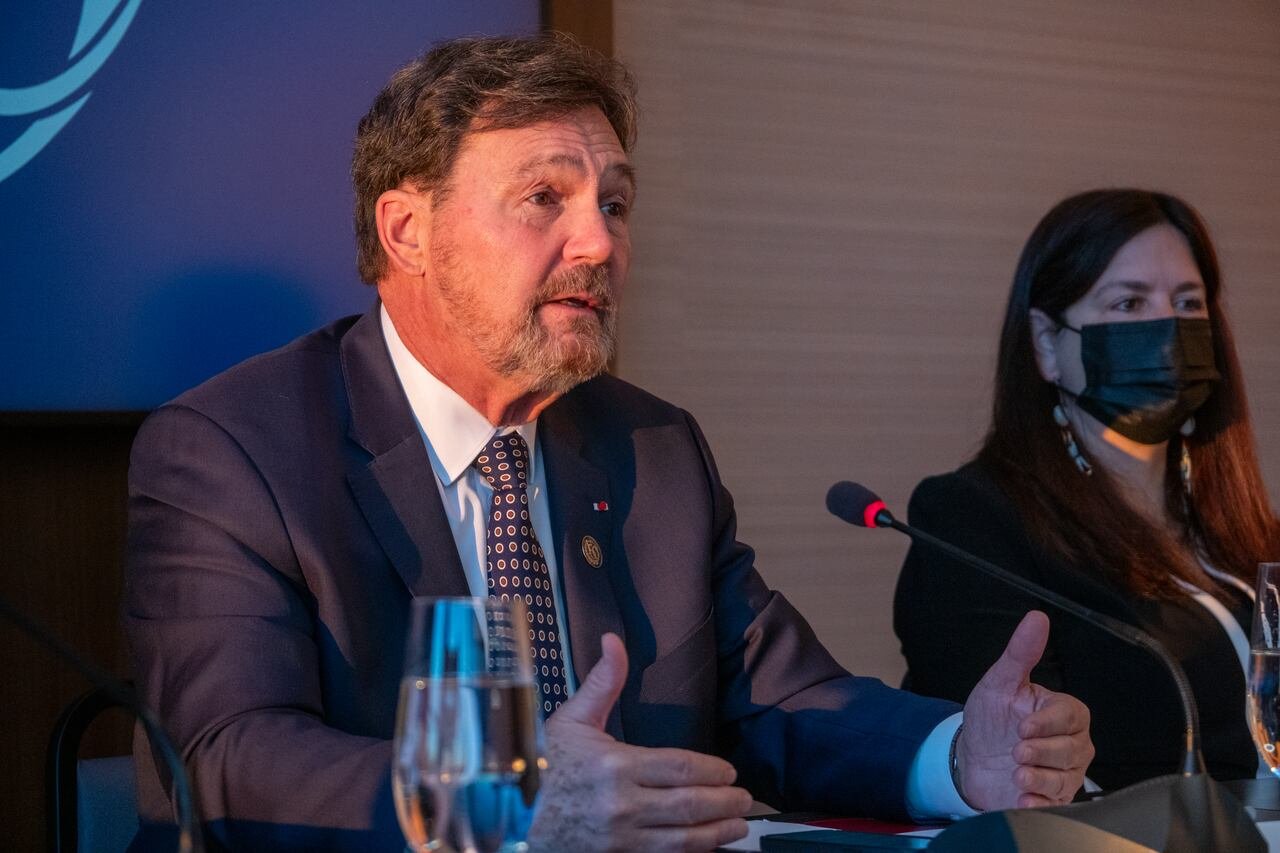
Wagner reiterated that ensuring access to justice remains a key focus for the court, encompassing information accessibility for individuals to understand and exercise their rights effectively, safeguarding their dignity in legal proceedings.
He highlighted the ongoing work of the court’s action committee on modernizing court operations, which includes dedicated groups exploring avenues to enhance access to justice through technology and funding, particularly in Indigenous communities.
Mental Health and Justice
O’Bonsawin, an Abenaki member of the Odanak First Nation, appointed to the Supreme Court over three years ago, specializes in mental health and justice intersections. This specialization holds significant relevance in northwestern Ontario, where several First Nations have declared states of emergency due to suicide crises.