

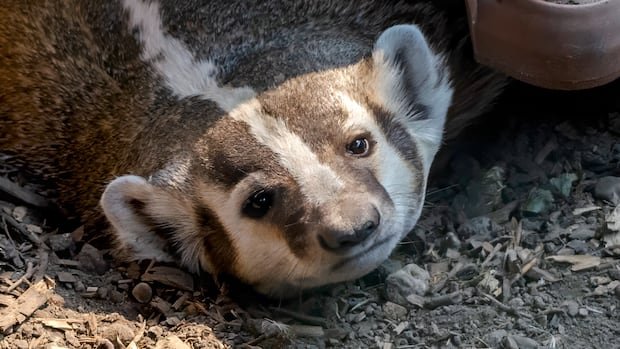

A recent federal assessment indicates that Badgers in the Prairies face similar threats to their counterparts in Ontario and British Columbia, raising concerns about their vulnerability. The American badger, the sole badger species in North America, is divided into three populations by the Committee on the Status of Endangered Wildlife in Canada (COSEWIC). The “Kootenay, Prairies, and Rainy River” population, covering badgers across the Prairie provinces, parts of southeastern British Columbia, and northwestern Ontario, was labeled as “special concern” in December.
The other two populations in southwestern Ontario and the B.C. Interior are considered endangered, with estimates pointing to less than 250 adult badgers in each region. Chris Johnson, a COSEWIC terrestrial mammals subcommittee member, emphasized the challenges of estimating badger numbers due to their elusive nature. He highlighted threats such as habitat loss, vehicle collisions, and human-induced killings that jeopardize the species nationwide.
Roadkill incidents involving badgers are a common concern, with the government of Alberta’s Wildlife Watch Program reporting 112 badger roadkill carcasses in 2024. Calgary wildlife biologist Chris Fisher noted the attraction of badgers to roadsides for burrow digging, further exacerbated by the presence of prey like Richardson’s ground squirrels. Habitat loss, particularly in the endangered southwestern Ontario and B.C. Interior populations, is a critical factor contributing to the badgers’ endangered status.
Badgers play a vital role as “ecosystem engineers” in the grassland ecosystem, with their burrows benefiting numerous species. However, they face persecution from humans due to conflicts with livestock and property damage. Despite being classified as a sensitive species in Alberta, badgers are still subject to hunting and trapping. Measures to protect badger habitats, such as maintaining a safe distance from active dens during construction activities, are crucial for their conservation.