

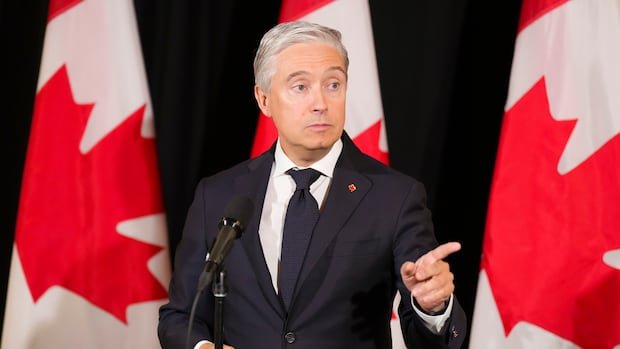

Two government ministers have instructed the public service to assess all existing and forthcoming federal contracts in a bid to identify cost-cutting opportunities. Finance Minister François-Philippe Champagne and Procurement Minister Joël Lightbound have reached out to senior officials overseeing procurement and government services, requesting a comprehensive plan for this review within 45 days.
Champagne emphasized the need for tangible actions in the proposal, such as comparing contracts to global prices, incorporating best practices from around the world, giving preference to Canadian suppliers, exploring joint purchasing with provinces and territories, updating procurement guidelines, and more. He highlighted this initiative as a significant move towards a more efficient government that serves the interests of Canadians.
This contract review forms part of the government’s broader expenditure assessment. Champagne is scheduled to present a budget in October, and Prime Minister Mark Carney has expressed his intention to reduce government spending.
Carney stressed the government’s commitment to instilling new fiscal discipline and making challenging decisions in light of the current economic climate. Both Carney and Champagne had earlier urged ministers and departments to identify substantial savings and reduce regulatory burdens.
Under the leadership of Justin Trudeau, Carney’s predecessor, government contracting and outsourcing faced intense scrutiny. A recent report from the government’s procurement watchdog highlighted the urgent need for “fundamental change” in the current contracting system and proposed the establishment of a central body to oversee all government purchases.
The procurement watchdog and the Auditor General have raised concerns about breaches and neglect of procurement rules in outsourced contracts. They particularly criticized the handling of the ArriveCan app project, citing poor record-keeping and a significant cost increase due to reliance on external contractors.
Following these findings, the government prohibited GC Strategies Inc., the primary contractor for ArriveCan, from bidding on government contracts for seven years. The firm’s partner, Kristian Firth, faced admonishment for evading questions during a parliamentary committee hearing.
Moreover, reports from the watchdogs highlighted numerous government contracts awarded to consulting firm McKinsey & Company, raising questions about the government’s adherence to procurement protocols and potential favoritism in awarding contracts.
Additionally, the Auditor General’s report revealed substantial deficiencies in managing contracts for the Canada Emergency Business Account (CEBA), a pandemic support program for small businesses, resulting in inadequate cost oversight. The government has referred several cases to the RCMP for suspected invoicing fraud by IT subcontractors.