

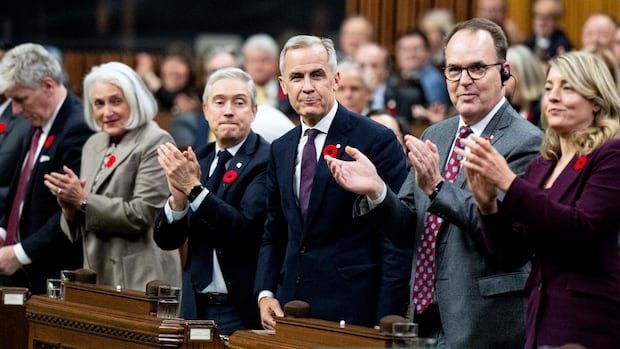

Prime Minister Mark Carney’s administration narrowly missed securing a majority in the recent election, obliging the Liberals to seek cooperation from opposition parties to pass their budget. Failure to pass the budget, considered a vote of confidence, would result in the government collapsing and a potential second election in Canada this year.
Although the Liberals gained an additional vote with former Conservative MP Chris d’Entremont joining their ranks, they still fall short of a majority in the House. Conservative MP Matt Jeneroux’s impending resignation further complicates the situation.
The government successfully navigated a confidence vote against a Conservative amendment but faces another challenge with a Bloc amendment. The budget vote is scheduled post-Remembrance Day.
For Carney’s budget to succeed without triggering a new election, different scenarios come into play. If the Bloc Québécois supports the Liberals, their combined seats could secure the budget’s passage. However, negotiations may be necessary to align interests.
The NDP’s seven seats provide leverage, potentially tipping the balance in favor of the budget if they choose to support it. The budget’s provisions targeting specific NDP ridings may influence their decision.
The Green Party’s lone vote in the House, led by Elizabeth May, hinges on improvements to climate policies within the budget. Even with May’s support, additional backing from another opposition party would be required to pass the budget.
If all opposition parties vote against the budget, the Liberals lack the necessary seats for approval, leading to government defeat and the likelihood of an election. Abstentions from NDP or Bloc members could also impact the outcome, either by supporting the budget silently or preventing an election by not voting at all.
Various scenarios, including free votes and strategic abstentions, could further complicate the situation, highlighting the potential for individual MPs to influence the budget’s fate beyond party lines.