

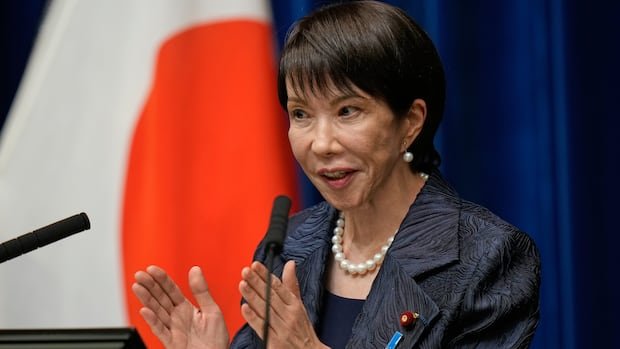

Sanae Takaichi, a hardline conservative, made history as Japan’s first female prime minister after winning the lower house election with 237 votes out of 465 seats. Known for her admiration of former British Prime Minister Margaret Thatcher and ties to ex-PM Shinzo Abe, Takaichi’s victory signals a shift towards a more right-wing direction for the country.
Congratulatory messages poured in from European Commission President Ursula von der Leyen and Canadian Prime Minister Mark Carney, highlighting the significance of Takaichi’s win. The new prime minister’s agenda includes strengthening ties with the European Union and expanding partnerships with Canada in various sectors.
Takaichi’s ascent to power, amidst a male-dominated political landscape, is expected to bring conservative policies on immigration and social issues to the forefront. Her Liberal Democratic Party formed a coalition with the Japan Innovation Party to secure the necessary support for governance, although they are still two seats shy of a majority in the parliament.
Rising prices and economic challenges await Takaichi as she takes office, with public discontent fueling support for opposition groups. Similar to Abe, she is likely to focus on government spending to stimulate the economy, leading to a surge in stock market performance but raising concerns about Japan’s escalating debt levels.
To effectively govern, Takaichi will need the backing of opposition lawmakers, as highlighted by political experts. Issues related to reviving Abenomics in the current inflationary environment may pose challenges for her economic policies. She has emphasized defense and national security as top priorities, signaling a commitment to bolstering Japan’s military capabilities and international security partnerships.
Takaichi’s cabinet appointments included two women, Satsuki Katayama as finance minister and Kimi Onoda as economic security minister, aiming to address the gender imbalance in Japanese politics. Katayama, a former Finance Ministry official with expertise in fiscal affairs and currency diplomacy, brings a decisive leadership style to the role. Shinjiro Koizumi and Toshimitsu Motegi were also named as defense and foreign ministers, respectively, in Takaichi’s administration.