

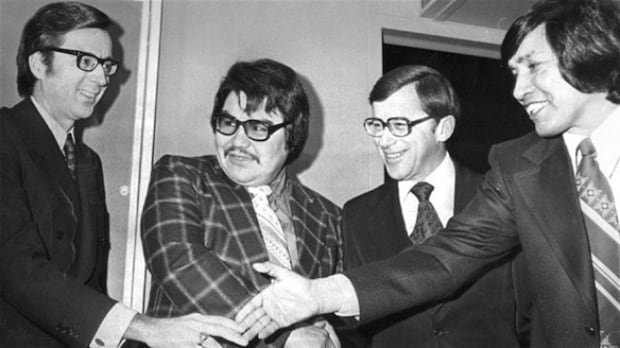

This article is the first installment of a series by Radio-Canada commemorating the 50th anniversary of the James Bay and Northern Quebec Agreement. Access part two here.
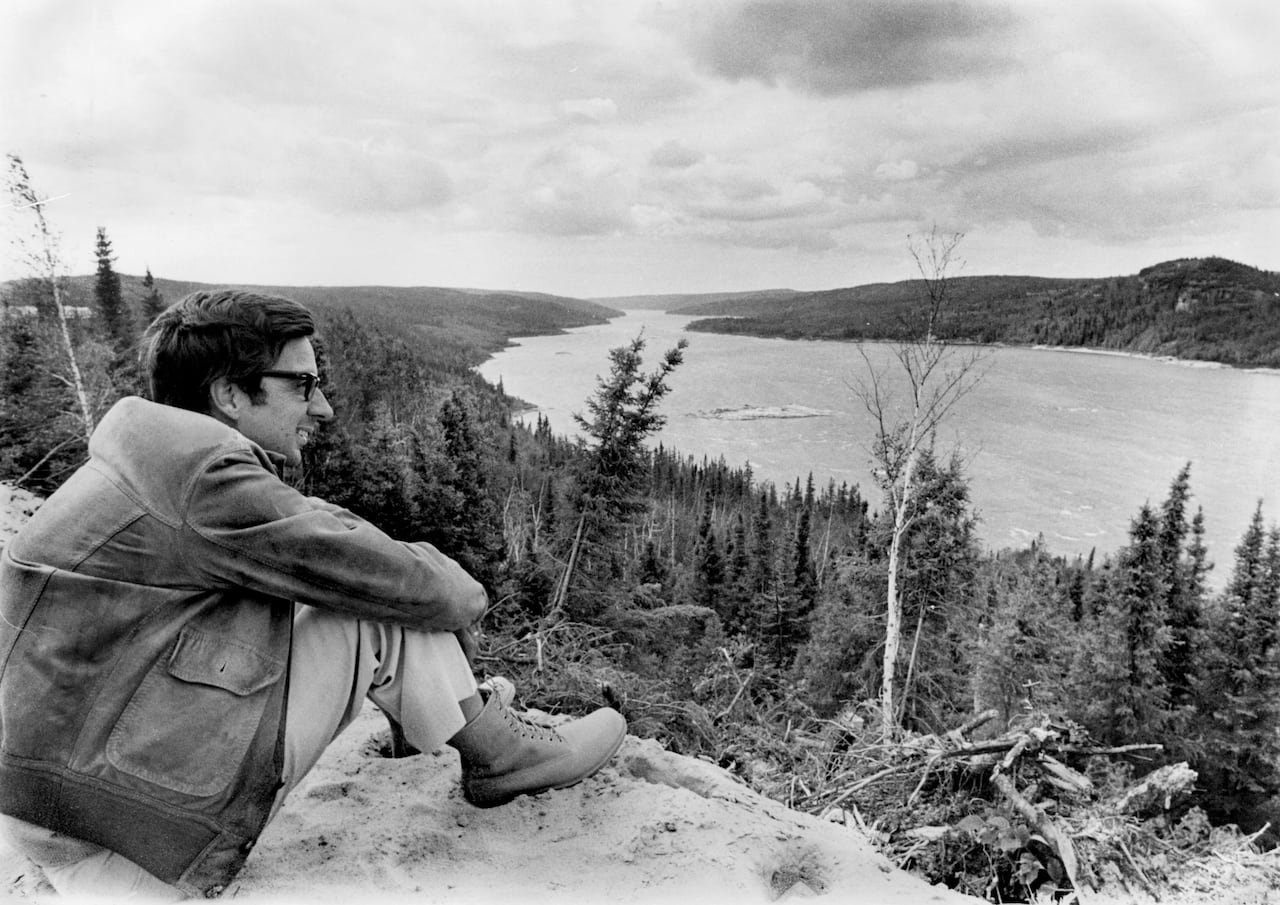
In April 1971, four years prior to finalizing the James Bay and Northern Quebec Agreement (JBNQA), Quebec’s premier Robert Bourassa revealed his visionary plan known as the “project of the century.” This ambitious initiative aimed to harness the vast hydroelectric potential of the northern region to stimulate economic growth and meet escalating energy demands.
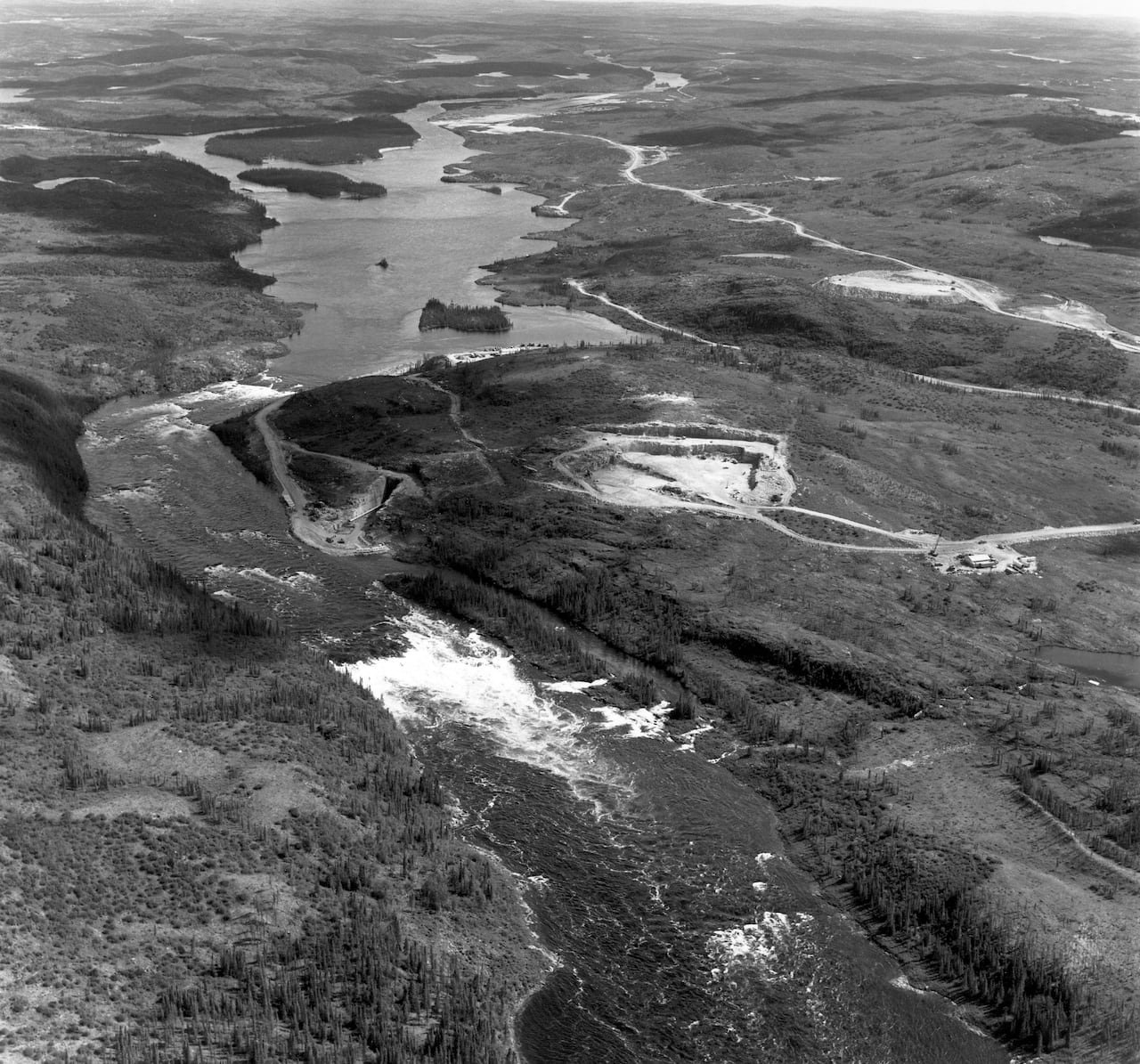
The groundbreaking project envisioned the construction of 11 hydroelectric dams, with eight situated on the La Grande river, spanning from the heart of the province to James Bay, 900 kilometers to the west. Additionally, three other rivers – Eastmain, Opinaca, and Caniapiscau – would be diverted to create expansive artificial reservoirs, submerging a vast 11,500 square-kilometer area of forest underwater, equivalent to about 30 times the size of the Island of Montreal.
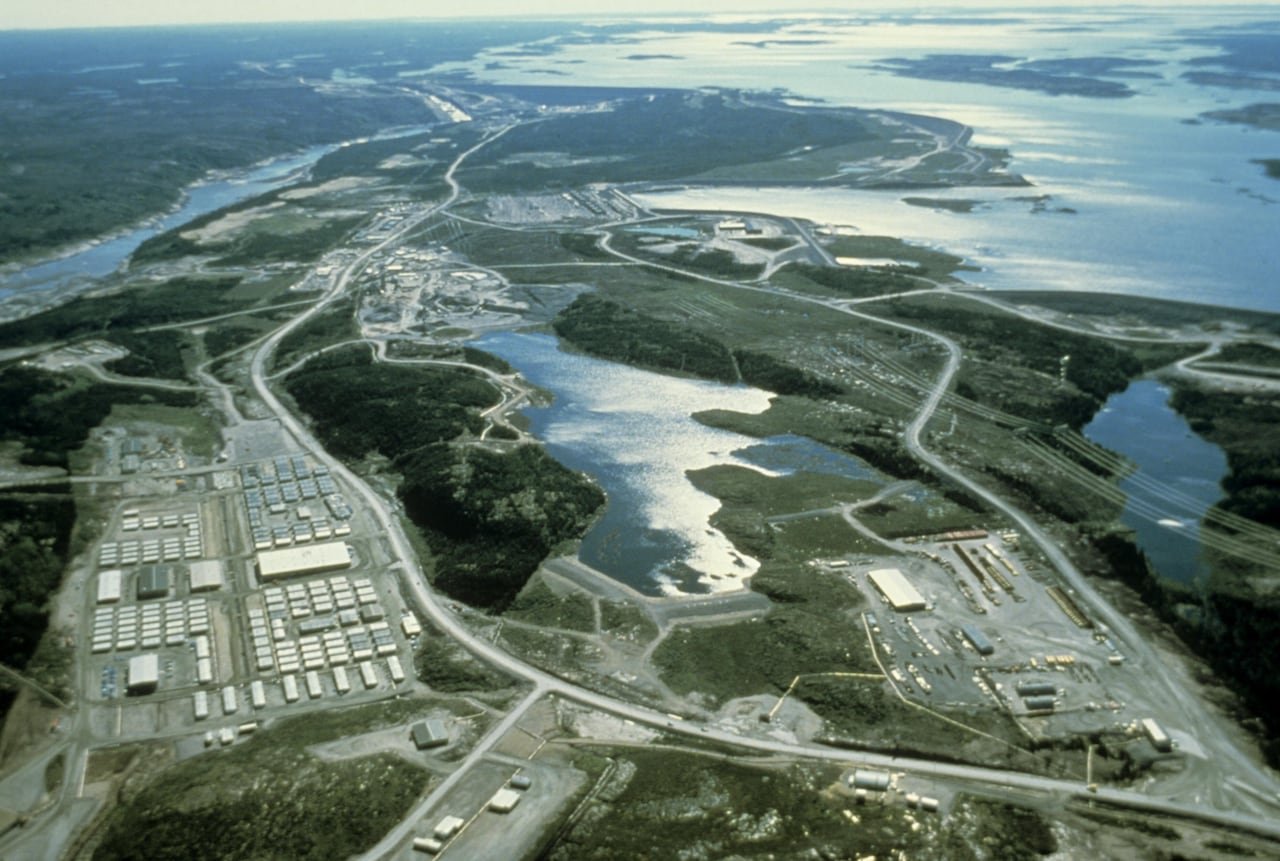
This monumental endeavor, unprecedented in the province’s history, required 40 years to complete. Presently, it generates a staggering 17,000 megawatts of power, constituting half of Quebec’s current electricity production.
Thousands of workers were mobilized for the project, creating a small village-like community at a remote worksite over a thousand kilometers away from Montreal. Despite the preparations for constructing an access road, a critical step was overlooked – the failure to engage with Cree and Inuit communities whose land was about to undergo irreversible transformation due to this unprecedented development project.
The Unexpected Turn
Charlie Watt, seated with a cup of tea overlooking the Koksoak River in Kuujjuaq, recounts the changing landscape due to the diversion of the river flow to feed the James Bay dams, supplying half of the province’s electricity. He nostalgically reflects on the past when abundant resources allowed for caribou hunting upstream, contrasting with the current diminished water levels hindering boat travel due to shallow waters.
Watt vividly recalls the Quebec government’s interest in exploiting the region and its rivers. Without prior consultation, Watt stumbled upon Bourassa’s monumental plan by chance while at the post office and was taken aback by the potential threat to their traditional lifestyle.
His immediate reaction, shared by many, was to resist and halt the project, leading to the formation of the Northern Quebec Inuit Association to ensure the affected communities had a voice in the process.
During the early 1970s, there was deep-seated distrust among Inuit communities in Northern Quebec towards authorities, influenced by past grievances such as forced settlement and inadequate government support.
<span class="