


Indigenous-Led Housing Developments Making Home Ownership More Attainable
Jeff Mesina and his spouse were eager to embark on a new phase in their lives. As newlyweds with plans for a family, they aspired to own a spacious home with room for their children to play, including a front and backyard. However, in the high-priced Metro Vancouver housing market, this dream appeared out of reach.
Their situation changed when Mesina’s wife, a real estate marketer, discovered an Indigenous-led housing project on Tsawwassen First Nation territory, located south of Vancouver. These new homes were priced at around $300 per square foot, significantly below the regional average of $1,000. The homes were offered through a 99-year lease arrangement, where the First Nation retained land ownership, ensuring long-term value and potential for resale.
Purchasing a presale home in 2013, the couple settled in two years later, just in time for the arrival of their first child in June. This trend of Indigenous-led housing developments is gaining momentum across Canada, with First Nations spearheading significant projects that expand access to homeownership and quality rental options while bolstering Indigenous economic prosperity.
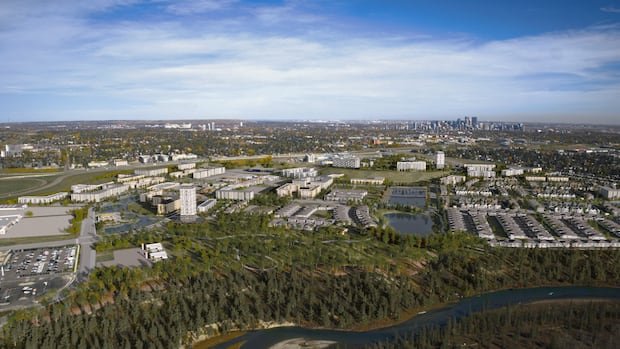
One of the notable developments is Sen̓áḵw, a prominent project on Squamish Nation land in Vancouver, set to feature over 6,000 rental units in 11 towers upon completion. In Alberta, the Taza project on Tsuut’ina Nation land near Calgary encompasses about 190 hectares and plans to include 6,500 homes in its initial phase.
Moreover, forthcoming housing initiatives at Naawi-Oodena by the Treaty One Nations in Winnipeg and the Millbrook First Nation in Nova Scotia highlight the growing prominence of Indigenous-led housing efforts nationwide.
These homes built on First Nations land are typically sold as leasehold properties, encompassing various housing types such as single-family residences, townhouses, condominiums, and apartments. Unlike freehold properties where buyers own both the structure and land, leasehold buyers solely possess the structure, with the land retained by the First Nation.
Michael Janes, an economist and University of Victoria PhD student specializing in First Nations economic development, emphasizes that while leasehold agreements may require renegotiation after 40, 50, or 99 years, making them less appealing to some buyers, they offer significantly lower costs compared to freehold ownership.
Realtor Josh Wong notes the increasing popularity of leasehold developments, particularly on First Nations land, providing buyers access to sought-after neighborhoods they might not afford otherwise. For instance, in kʷasən Village, a collaboration between the Musqueam Indian Band and Tsleil-Waututh Nation in Burnaby, homes are priced below $1,000 per square foot, a competitive rate compared to nearby freehold homes.
These initiatives are not only addressing housing needs but also fostering economic growth within Indigenous communities. Chief Laura Cassidy of the Tsawwassen First Nation expresses pride in combating Metro Vancouver’s housing scarcity by creating diverse housing types serving various demographics, from young families to retirees. Revenue generated from leaseholders’ property taxes is reinvested into community infrastructure and services, such as youth and elders’ centers.
Bernadette Kudzin and her husband, residents of Stahaken, a Tsawwassen First Nation leased land community, highlight the affordability and scenic beauty of their home. Kudzin values the strong sense of community and active participation in events hosted by the Tsawwassen First Nation, fostering cultural exchange and celebration.
In conclusion, these Indigenous-led housing developments not only offer affordable housing solutions but also contribute to community building, economic growth, and cultural exchange, embodying a positive step towards reconciliation and sustainable progress.