


Recent modifications to Alberta’s student loan program have raised concerns among advocates, potentially posing challenges for many students in the province. Alberta Student Aid recipients will now need to contribute $3,000 per loan year, doubling the previous minimum of $1,500. Additionally, parental and spousal income will be taken into account when determining eligibility for student loans this academic year.
Noel Ormita, the president of the Students’ Association of Mount Royal University (MRU), expressed that these changes create additional financial obstacles for students, potentially forcing them to work longer hours or resort to high-interest loans. The increased student contribution amount could significantly impact students, as highlighted by survey results from the students’ union.
Reintroducing the assessment of parental and spousal income for student loan eligibility, a measure removed in 2012, has been criticized by Ormita as a regressive step. He emphasized that this approach assumes that families have allocated funds for student tuition, creating further hurdles for students.
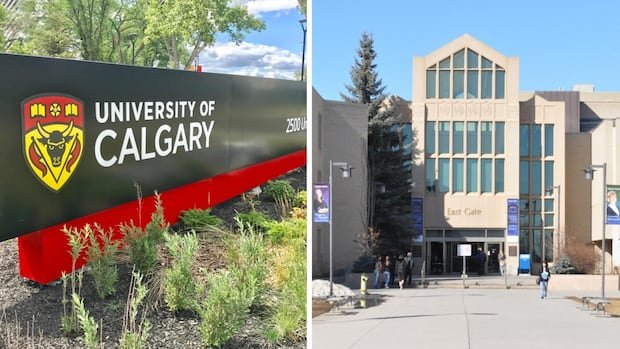
Mahad Rzain, vice-president external of the University of Calgary Students’ Union, echoed these concerns, particularly noting the potential strain on students in relationships where financial support may not be readily available. He emphasized that these changes add unnecessary barriers for students and lack logical reasoning.
The adjustments have been flagged as a mental health issue by Rzain, who highlighted the added stress on students already grappling with academic pressures and financial burdens. The changes come at a time when students are facing rising costs, inflation, and economic challenges, necessitating increased efforts to cover educational expenses.
Ormita emphasized that the financial challenges created by these modifications further compound existing struggles for students, including rising tuition fees, high youth unemployment rates, and increased living costs. He underscored the importance of financial aid in not only covering tuition but also essential living expenses like textbooks and food.
In response to the concerns raised, Provincial Advanced Education Minister Myles McDougall affirmed the government’s commitment to maintaining affordable and accessible post-secondary education for Albertans. Budget 2026 allocates over $1 billion to Alberta Student Aid, with substantial increases in non-repayable supports such as scholarships and grants, aiming to reduce the burden of student debt.
McDougall explained that the changes align Alberta with the Canada Student Financial Assistance Program and other jurisdictions by modernizing financial need assessments. Eligible students have the option to request an exemption from the minimum student contribution requirement.
The potential impact of these changes on educational accessibility and student retention in Alberta was highlighted by Ricardo Acuna, executive director of the Parkland Institute at the University of Alberta. Acuna expressed concerns that financial barriers could deter students from pursuing post-secondary education in the province, ultimately leading to a brain drain effect.
Looking ahead, a provincial government report projected a 21% increase in enrolment in Alberta post-secondary institutions by the 2033-34 academic year, underscoring the importance of addressing financial barriers to ensure educational competitiveness.