

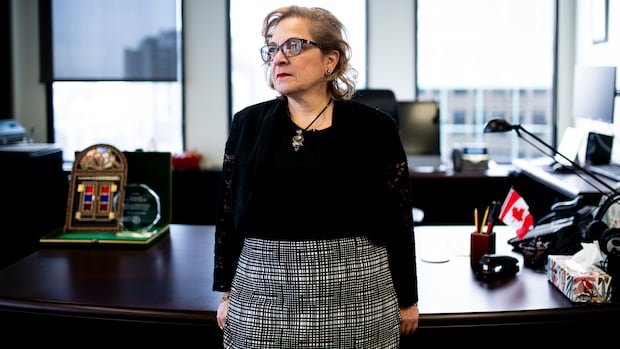

When Lena Diab assumed leadership of the Canadian Immigration Department, there was significant anticipation from the community. The new minister, a trilingual daughter of immigrants who spent part of her childhood in Lebanon, had previously held cabinet positions in Nova Scotia. Stephan Reichhold, the executive director of Quebec-based organization Table de concertation des organismes au service des personnes réfugiées et immigrantes, described the appointment as an ideal scenario.
However, Reichhold soon grew disillusioned with Diab’s perceived absence and lack of engagement. Members of Parliament, including some from her own Liberal caucus, also expressed disappointment with her performance.
Reichhold highlighted his unsuccessful attempts to communicate directly with Diab since her inauguration last May, contrasting her approach with that of her predecessor, Marc Miller, who maintained regular contact with stakeholders despite shifts in immigration targets.
Radio-Canada reported feedback from various organizations critical of Diab’s limited availability, such as the Ukrainian Canadian Congress, which struggled to secure a face-to-face meeting with her. Diab’s low media visibility amid significant immigration coverage in Quebec further drew attention.
In response to criticisms, Diab mentioned her engagements with provincial and territorial counterparts and underscored adjustments in immigration processes and outcomes. The Prime Minister’s Office emphasized Diab’s role in aligning immigration levels with national priorities but refrained from addressing community groups’ discontent.
Diab faced scrutiny during parliamentary committee appearances for seeking assistance on technical matters and facing challenges in responding to inquiries effectively. Conservative MP Michelle Rempel Garner notably criticized Diab’s performance, labeling her a “very bad minister.”
Internal criticism within the Liberal Party also surfaced, with some MPs expressing concerns about Diab’s grasp of immigration issues and her ability to handle the portfolio effectively. Despite some defending her work, others questioned her competence and suggested that her role may be overwhelming.
While Carney’s office highlighted the government’s efforts to streamline immigration processes, internal debates within the Liberal Party continued regarding Diab’s effectiveness in managing the complex immigration file. The complexity and demands of the role were acknowledged, with calls for improved performance and greater stakeholder responsiveness.
In conclusion, the ongoing scrutiny of Diab’s performance underscores the challenges and expectations associated with her role as Canada’s Immigration Minister.