

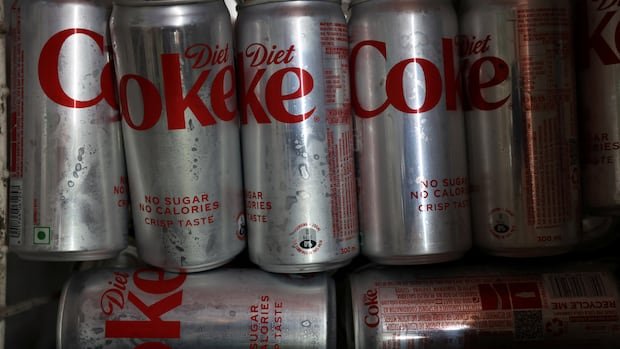

A recent global event has triggered concerns among Diet Coke enthusiasts regarding a potential shortage of the popular beverage. Known for its loyal following and cultural significance, Diet Coke has been described as a lifestyle choice and a symbol among its dedicated fan base. The prospect of a Diet Coke scarcity has sparked anxiety online, with individuals sharing videos of stockpiling activities during what has been dubbed the “candemic.” In some regions, such as India, the situation has escalated to Diet Coke parties becoming a trend.
The issue stems from a squeeze on aluminum cans linked to conflicts in Iran, impacting markets like India where Diet Coke is primarily sold in cans. While there is not a shortage of the beverage itself, disruptions in the aluminum supply chain have led to limited availability in some areas, prompting concerns among consumers.
The high demand for Diet Coke in India, where it is a popular mixer and a status symbol, coupled with logistical challenges, has exacerbated the situation. Social media has been flooded with memes depicting hoarding behaviors, while businesses have resorted to creative measures to address the shortage, including hosting events where individuals can personalize Diet Coke cans.
The global aluminum market is facing a crisis due to conflicts in the Middle East, impacting production and supply chains. Countries reliant on aluminum from the Persian Gulf, including the U.S., could also experience repercussions. Despite challenges in some regions, Canada appears well-positioned to avoid significant disruptions, given its robust aluminum industry and local sourcing practices.
Coca-Cola, along with its local partners, is navigating the complexities of the situation, acknowledging the constraints posed by the aluminum shortage. While measures are being taken to address the issue, uncertainties persist regarding the availability of Diet Coke in affected markets.
Overall, the Diet Coke shortage serves as a reminder of the intricate global supply chain dynamics and the interconnectedness of industries, highlighting the need for resilience and adaptability in the face of supply disruptions.