

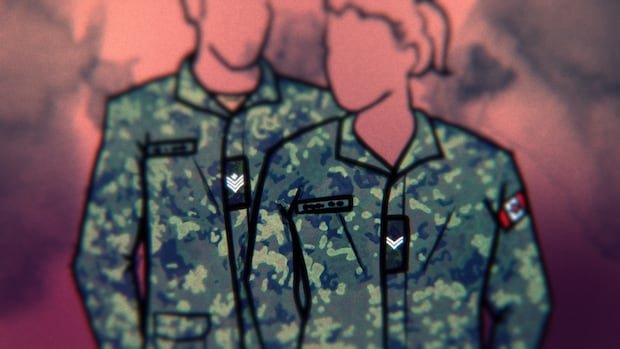

The Canadian Armed Forces has implemented a new policy that mandates members to disclose any personal relationships with subordinates. Military personnel are now required to report to their superiors any emotional, romantic, sexual, or family relationships involving individuals of different ranks, seniority, positions, or experience.
The directive, applicable to both new and existing relationships, aims to address power differentials or imbalances that may exist in secret relationships among members. Lt.-Gen. Paul Prévost, the military’s chief of professional conduct and culture, emphasized the importance of ensuring the safety of both individuals in a relationship and preventing any career repercussions or fear of reprisal.
This change follows a recommendation made in a 2022 report by Louise Arbour, the incoming Governor General, who highlighted the prevalence of sexual assault, abuse, harassment, and discrimination in the military. The new policy is more stringent than the previous one, which only covered “adverse” relationships, a term deemed ambiguous by Prévost and experts.
The directive underscores that personal and family relationships are still permitted in the Armed Forces but emphasizes the need for transparency and disclosure to prevent conflicts of interest. Violations of the directive, especially by individuals in positions of authority, will carry heavier penalties, requiring them to demonstrate the consensual nature of the relationship and its non-detrimental effect on the subordinate.
Prévost acknowledged that cultural change takes time but expressed confidence that the new directive will drive positive shifts. He assured that the CAF will provide support to subordinates or victims of sexual misconduct, including those in undisclosed relationships.
Experts have lauded the new guidelines while acknowledging the complexities of implementing such a significant change within the military hierarchy. Jody Thomas, a former deputy minister at National Defence, commended the initiative as a positive step forward that may require further refinement over time.
The directive aims to protect subordinates, address power imbalances, and create a safer environment within the Canadian Armed Forces. It aligns with the broader goal set by Arbour to combat abuse of power, secrecy, and limited avenues for seeking justice within the military institution.