

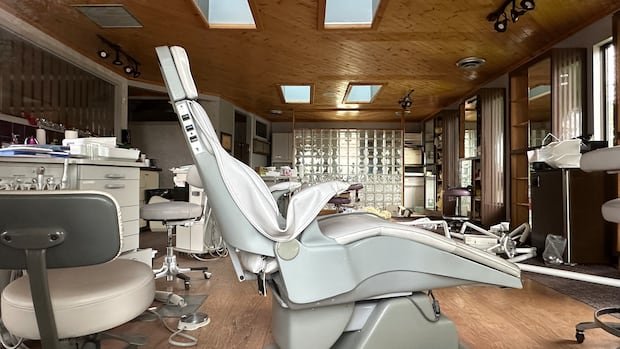

Patients who had paid upfront for orthodontic treatment from a Windsor orthodontist are facing financial losses following his unexpected passing. Dr. Jim Ghilzon, the proprietor of Ghilzon Orthodontics in Windsor, passed away in December 2025 after serving the local community for several decades. Ewelina Kryza, a resident of Windsor, expressed her shock at the situation, stating that she had not anticipated such an eventuality given Ghilzon’s long-standing career in orthodontics.
Kryza, who had paid approximately $7,500 in advance for her orthodontic treatment, explained that she had chosen the prepayment option as it offered a 20% discount compared to a pay-as-you-go arrangement. However, with Ghilzon’s passing, patients like Kryza and others are now uncertain about reimbursement and the continuity of their treatment.
The lack of communication from Ghilzon Orthodontics has further frustrated former patients. Despite multiple attempts to contact the practice through phone and email, no response has been received. The closed office’s website does not provide any information regarding Ghilzon’s demise or instructions for patients, creating additional confusion and distress among those seeking clarity.
In response to inquiries about the situation, the Ontario Dental Association referred to the Royal College of Dental Surgeons of Ontario. The RCDSO highlighted that dental billing matters fall under the purview of the Ontario Dental Association, emphasizing the importance of a succession plan for active patient care and recordkeeping in the event of a dentist’s death. However, the association clarified that legal and financial matters related to office closures are beyond its regulatory scope.
Former patients like Nicole Fiorito, who had paid upfront for her daughter’s orthodontic treatment, are now left in limbo, unsure of how to proceed. Fiorito, who managed to retrieve her child’s dental records from the closed office, emphasized the importance of having safeguards in place for such unforeseen circumstances and expressed disappointment at the lack of contingency plans.
Amidst the uncertainty, some former patients are contemplating legal action, while others have opted to seek alternative orthodontic care at additional costs. The situation has underscored the need for transparency and accountability in the healthcare industry, particularly regarding financial arrangements and patient care in times of crisis.