

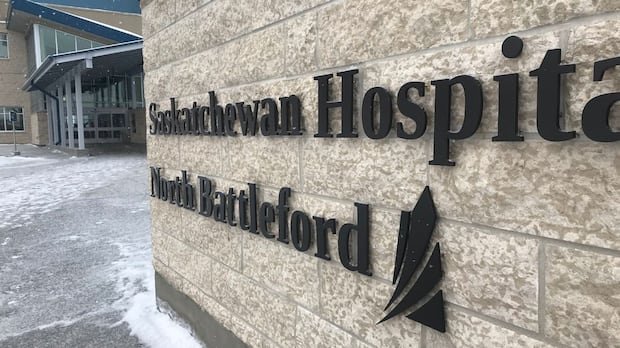

Saskatchewan’s new Compassionate Intervention Act, recently passed by the Sask. Party, could see individuals with severe addictions compelled into treatment at Saskatchewan Hospital in North Battleford as early as this autumn. Despite the government’s intentions to start involuntary treatment within the year, the Opposition NDP, along with the Saskatchewan Medical Association (SMA) and the College of Physicians and Surgeons of Saskatchewan (CPSS), have voiced strong objections to the law’s enforcement.
During a recent parliamentary session, NDP Leader Carla Beck emphasized concerns about the legislation, particularly regarding the lack of focus on prevention and voluntary treatment for the majority of individuals dealing with addiction issues. On the other hand, Addictions Minister Lori Carr outlined the implementation process, mentioning the need to establish regulations, assemble a board comprising health and legal professionals, community members, and First Nations representatives, and set up assessment centers for those undergoing involuntary treatment.
Opposing viewpoints from the SMA and CPSS have highlighted the absence of clinical evidence supporting involuntary addiction treatment, warning of potential overdose risks post-release. They advocate for prioritizing voluntary, evidence-based, and culturally safe services to address addiction in Saskatchewan effectively. The provincial government, however, states that family members can request assessments for loved ones with addictions through court warrants, with law enforcement intervention possible in life-threatening situations.
As the legislation progresses, assessment centers are planned to be distributed across the province, feeding into an involuntary inpatient unit at Saskatchewan Hospital. Despite the government’s timeline for the act to take effect in the fall pending final regulations, concerns persist among healthcare professionals and advocacy groups regarding the readiness of the system to safely accommodate involuntary treatment pathways without exacerbating existing challenges in emergency services.
The John Howard Society of Saskatchewan, aligning with physicians’ apprehensions, emphasizes the potential Charter rights infringement on individuals subjected to involuntary treatment. They stress the necessity for individuals to willingly engage in the recovery process for successful outcomes and raise alarm about the heightened overdose risks post-release for those detained under the new legislation.