

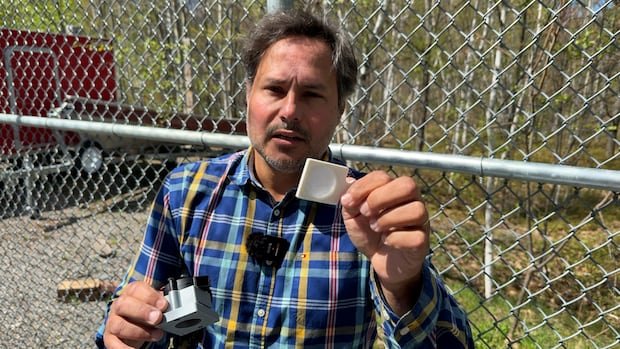

A researcher from Laurentian University is gearing up to initiate a research initiative utilizing honey bees to aid in environmental restoration efforts at the Côté Gold Mine near Gogama, Ontario. Mateus Pepinelli secured a $100,000 grant from IAMGOLD to collaborate on a two-year research project targeting the collection of environmental DNA by bees in areas undergoing restoration near the mine site.
Describing honey bees as valuable research assistants, Pepinelli highlighted their role in gathering essential data for the project. This summer, Pepinelli, alongside a team from IAMGOLD, will establish three apiaries in the vicinity of the mine’s remediation zones.
The setup of each apiary will include a small fan with a filter designed to capture traces of DNA brought into the hive by the bees. Pepinelli explained that by filtering the air from the bee colonies, they can detect ecological interactions and gather valuable information on various plant species, microorganisms, and potential threats like varroa mites.
Following the collection of filters from the apiaries, Pepinelli and his team will extract the environmental DNA for further analysis in a laboratory setting. This data will aid IAMGOLD in monitoring the progress of their rehabilitation efforts at the mine site.
Jessica Tratnik, the environmental and social governance lead at the Côté Gold Mine, emphasized the significance of data obtained from the bees in enhancing the company’s understanding of ecological changes due to their reclamation activities. By leveraging insights from the bees, IAMGOLD can address any deficiencies in plant species diversity or pollination issues, providing a consistent means of monitoring ecosystem dynamics over time.
Graeme Jennings, IAMGOLD’s vice president of investor relations, noted that the Coté Gold Mine is expected to remain operational for over two decades, emphasizing the importance of ongoing land rehabilitation efforts rather than waiting until production ceases.
Tratnik underscored the continuous nature of rehabilitating the land, highlighting the need for progressive restoration measures to ensure timely and effective ecological recovery.